Face-to-Face Business Hasn’t Lost Its Value
Businesses can reach potential customers without ever entering the same room. Video calls, social media, email campaigns, webinars, and digital advertising have made it possible to connect with people almost anywhere. So, why spend the money and time attending a trade show? The answer comes down to something digital channels still struggle to replicate: genuine face-to-face interaction. Meeting someone in person provides a different kind of opportunity to build trust, answer questions, and understand what a prospect actually needs. A five-minute conversation on a trade show floor can reveal details that might take several emails to uncover. For businesses selling complex products or services, those conversations can be particularly valuable. Digital marketing may start a relationship, but personal interaction can make that relationship feel real.
Trade Shows Put the Right People in One Place
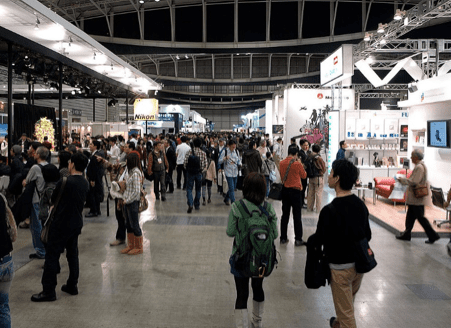
One of the hardest parts of marketing is reaching people who are genuinely interested in what a company offers. Trade shows solve part of that problem by gathering professionals around a specific industry, product category, or business challenge. Of course, not every attendee will become a customer. That shouldn’t be the expectation. The bigger advantage is access to a concentrated audience that already has some connection to the market. Exhibitors can meet potential buyers, suppliers, distributors, partners, and even future employees during the same event. This makes preparation especially important. Teams should know who they want to reach before arriving and have a clear way to identify promising opportunities instead of treating every booth visitor exactly the same.
See also: 3 Habits That Support Lifelong Dental Health
A Booth Can Make a Brand More Memorable
Think about how many digital advertisements the average person scrolls past without really noticing. At a trade show, businesses have considerably more room to create an experience people remember. Products can be demonstrated, questions can be answered immediately, and visitors can physically interact with a brand. Companies using exhibit rentals can also adapt their booth layout and presentation to suit different events rather than assuming one setup will work equally well everywhere. Still, bigger and flashier isn’t automatically better. A successful booth should communicate what the company does quickly. Attendees shouldn’t need several minutes to figure it out. Clear messaging, approachable staff, useful demonstrations, and comfortable spaces for conversation can be far more effective than filling every available inch with graphics and screens.
Conversations Provide Valuable Market Intelligence
Trade shows aren’t only sales opportunities. They’re also remarkably useful research environments. Where else can a business have dozens of direct conversations with customers, prospects, competitors, and industry professionals within a few days? Those interactions can uncover concerns that aren’t obvious in analytics reports. Prospects might repeatedly ask about a feature the company hasn’t prioritized, for example. Customers may mention a problem that could lead to a new service or product improvement. Even questions that don’t result in immediate sales can be informative. Businesses should encourage booth teams to record recurring comments and objections instead of focusing exclusively on contact information. After the event, those observations can help inform product development, marketing messages, sales materials, and future event strategies.
Digital Tools Actually Make Trade Shows Stronger
The rise of digital business hasn’t made trade shows obsolete. In many cases, it has made them more measurable. Companies can promote an appearance through social media before the event, schedule meetings online, capture leads digitally, and move contact information directly into a CRM. Follow-up campaigns can then be personalized based on conversations at the booth. That creates a useful bridge between physical and digital marketing. Instead of viewing a trade show as an isolated event, businesses can treat it as one stage in a longer customer journey. Someone might discover the company through a LinkedIn post, meet the team at a conference, attend an online demonstration afterward, and become a customer months later. Looking only at sales completed during the show would miss much of that value.
Measuring Results Requires More Than Counting Leads
A crowded booth certainly feels encouraging, but traffic alone doesn’t tell a company whether an event was successful. Businesses should establish meaningful goals before attending. Those might include qualified leads, scheduled sales meetings, partnership opportunities, product demonstrations, customer conversations, or movement within an existing sales pipeline. Tracking these outcomes makes it easier to compare events and determine where future budgets should go. Lead quality deserves particular attention. Twenty conversations with strong prospects may be far more valuable than collecting 300 email addresses from people with little purchasing intent. Companies should also track what happens weeks and months afterward. Some of the most valuable trade show opportunities simply need time to develop.
Making Trade Shows Part of a Bigger Strategy
Trade shows still matter because business remains personal, even when much of the buying process happens online. The smartest companies don’t choose between digital marketing and in-person events. They find ways to make the two work together. Before a show, digital channels can build awareness and schedule conversations. During the event, personal interaction can deepen relationships and uncover opportunities. Afterward, technology can support timely, relevant follow-up. The real question isn’t whether trade shows belong in a digital world. It’s whether a business is using them strategically enough to justify the investment. With clear goals, thoughtful preparation, strong conversations, and disciplined follow-up, a few days on the trade show floor can influence business long after everyone has packed up and gone home.