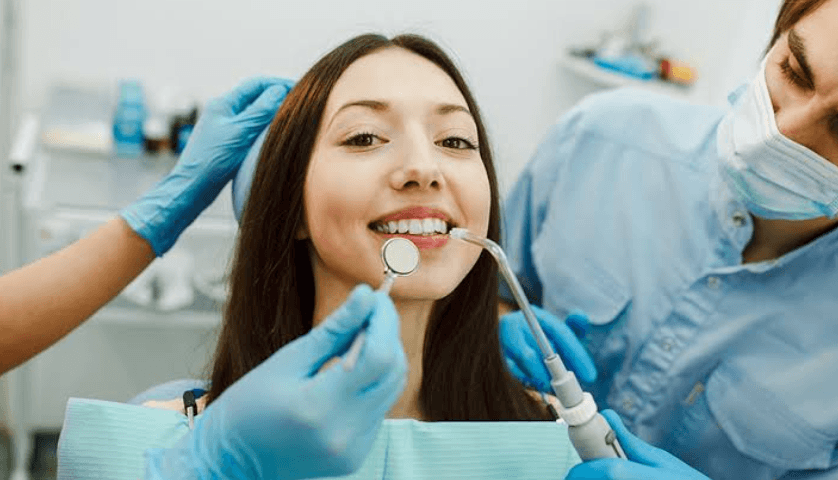
You might not think much about your teeth when nothing hurts, and that is often how problems sneak up on people. One skipped cleaning turns into months, a little bleeding when you brush starts to feel normal, and before long you are dealing with pain, cost, and stress that could have been avoided. If that sounds familiar, you are not alone. Dental care can feel easy to put off when life is full. The good news is that a few steady habits can protect your smile for years. In simple terms, the best path to lifelong dental health comes down to daily cleaning, smart fluoride use, and regular checkups with a family dentist in Clermont, FL.
Why Do Small Daily Habits Matter So Much for Long Term Oral Health?
Most dental problems do not appear all at once. They build slowly. Plaque forms every day, gums get irritated over time, and small weak spots in enamel can turn into cavities if nothing interrupts the cycle. Because of this, you may not notice a problem until it becomes expensive or painful.
That is the frustrating part, isn’t it? You can feel fine while trouble is growing in the background. A rushed brushing routine, frequent sugary snacks, or skipping floss because you are tired may seem minor in the moment. Yet those small choices add up.
According to the CDC’s oral health tips for adults, brushing twice a day, flossing, limiting sugary foods and drinks, and keeping up with dental visits all play a major role in preventing tooth decay and gum disease. These are not complicated steps, but they do need consistency.
So, where does that leave you if your routine has been uneven? It means you do not need perfection. You need a reset. Building healthy dental habits now can still make a real difference, whether you are caring for your own smile, helping a child learn good routines, or trying to avoid more dental work later.
Which 3 Habits Support Strong Teeth and Gums for Life?
The first habit is brushing and flossing the right way, every day. Brushing twice daily with fluoride toothpaste helps remove plaque before it hardens, and flossing reaches the spaces your toothbrush misses. If your gums bleed when you floss, that is often a sign they need more attention, not less. Gentle daily flossing can help calm inflammation over time.
The second habit is using fluoride as part of your routine. Fluoride helps strengthen enamel and can lower the risk of cavities by making teeth more resistant to acid attacks from bacteria and food. The CDC explains how fluoride works and why it remains one of the most effective tools for cavity prevention. If you have ever wondered whether fluoride really matters, the short answer is yes. It gives your teeth extra support in the places where daily wear starts to show.
The third habit is seeing a family dentist on a regular schedule. Even people with strong home care can miss early warning signs. A dental visit can catch decay, gum changes, grinding, or other issues before they grow. This matters for children, adults, and older family members alike. A family dentist can also adjust advice based on age, medications, braces, dry mouth, or other factors that change your risk over time.
Need a simple guide for the basics? The National Institute of Dental and Craniofacial Research oral hygiene page offers clear, practical reminders that support good home care at every stage of life.
What Does Good Home Care Look Like Compared With a Wait and See Approach?
Sometimes the biggest difference is not what you do in one day, but what pattern you follow for months. If you are unsure whether your current routine is enough, this comparison can help.
| Habit Pattern | What It Looks Like | Likely Outcome Over Time |
|---|---|---|
| Consistent home care | Brush twice a day, floss daily, use fluoride toothpaste, limit sugary drinks | Lower risk of cavities, healthier gums, fewer surprise dental costs |
| Inconsistent home care | Brush once a day or rush through it, floss only sometimes, frequent snacking | More plaque buildup, gum irritation, early decay that may go unnoticed |
| Wait and see approach | Only seek care when pain starts, skip preventive visits, ignore mild symptoms | Higher chance of advanced decay, gum disease, urgent treatment, and larger bills |
This is where many families get stuck. When nothing seems urgent, prevention can feel optional. But once pain, swelling, or infection begins, your choices narrow and treatment becomes harder to ignore. That is why dental health habits are worth protecting before a problem forces your hand.
What Can You Do Right Now to Protect Your Smile?
1. Tighten your daily routine. Brush for two full minutes, morning and night, with fluoride toothpaste. Floss once a day, even if you start with just a few teeth and build from there. If you use an electric toothbrush, make sure you are not pressing too hard.
2. Look at your sugar patterns, not just your sugar amount. Sipping sweet drinks all day or snacking often gives bacteria repeated chances to make acid. Try to keep sugary foods and drinks with meals instead of stretching them across the day. Water between meals can help rinse your mouth and support better oral care.
3. Put preventive visits on the calendar. If it has been a while, schedule an appointment with a family dentist and treat it like any other health priority. Preventive care is often easier, less stressful, and less costly than waiting for pain to make the decision for you.
See also: Integrated Facility Services Company for Complete Business Solutions
What Happens When You Stay Consistent With Oral Care?
The change is not always dramatic at first, and that can make it easy to underestimate. Yet over time, steady care often means fewer cavities, healthier gums, fresher breath, and fewer moments where you are suddenly forced to deal with pain or urgent treatment. It also means more peace of mind. You are no longer guessing whether a small issue is becoming a big one.
If your routine has slipped, do not read that as failure. Read it as a place to begin again. The habits that support lifelong dental health are simple, and they work best when they become part of ordinary life. A family dentist can help you build a plan that fits your age, your schedule, and your goals, so you can protect your smile one day at a time.