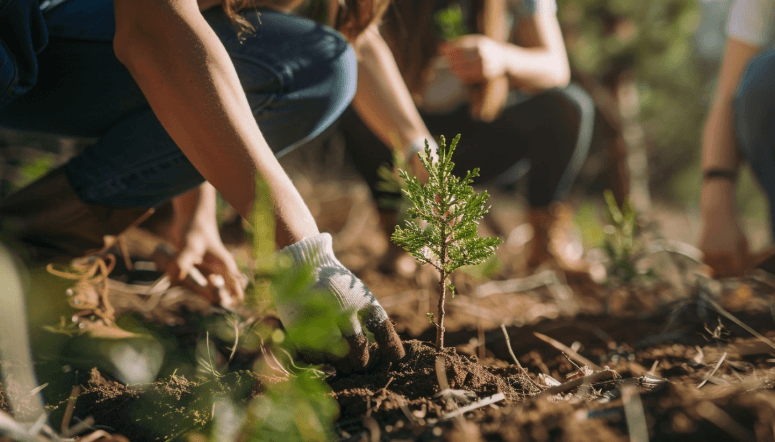
Trees are an important part of a good environment. Besides being beautiful to look at and offering shade from trees, they also help purify the atmosphere by cleaning it up; stabilizing ground around them; reducing temperatures in cities due to their lack; and supporting various kinds of animals living there. Even so, current home-building, harsh climate phenomena, and normal deterioration are still causing a reduction in tree cover in ground regions. The decision to plant new trees now will increase the number of green territories in the future that will resist climate change effects.
Restoring ecosystems involves much more than just planting trees in open land. In making strategic planting decisions, one must also consider soil biology, climate factors of the area, and the size of the trees that are growing nearby. Property owners exploring certified arboriculture solutions through surewoodtreeservice.com can establish resilient young trees that integrate seamlessly into existing outdoor environments. A scientific method of taking care of landscapes is an investment in future generations’ environment.
Environmental Benefits of Strategic Tree Placement
With proper selection and placement of trees based on environmental considerations, these provide multiple advantages to homes’ communities as well as animals living nearby.
- Stormwater retention and erosion control are achieved by extensive roots binding soil particles together to prevent nutrient loss due to stormwater runoff.
- Creating habitat for native wildlife by planting native trees and flowers is important because it offers nesting sites to birds as well as food for them.
- Planting wide-leaved deciduous trees on the west and south sides to shade them from heat in summers, while allowing natural light through windows at nighttime, is a better way of saving energy by reducing electricity bills.
| Ecological Objective | Recommended Strategy | Long-Term Environmental Impact |
| Soil Stabilization | Plant deep-rooting native species on sloped yards | Reduces topsoil erosion and stabilizes garden embankments |
| Microclimate Cooling | Establish dense canopy trees near paved hardscapes | Lowers ambient summer heat index around residential properties |
| Biodiversity Enhancement | Intercrop varied flowering and nut-bearing trees | Supports pollinators, resident songbirds, and beneficial insects |
| Wind & Noise Mitigation | Space staggered evergreens along property lines | Creates natural noise barriers while deflecting harsh winter winds |
Essential Factors for Young Tree Survival
In order to achieve healthy growth of trees from their seedling stage to strong ones, which can defend themselves against any diseases based on general instructions for planting, it is important to understand that proper depth of excavation means having a large space for roots.
- Proper Depth of Excavation: The correct depth of excavation refers to creating an open area instead of a narrow hole so that the lateral roots will be free to expand into the soft ground without burying each other close to their beginnings.
- Amending and Aerating Soil: A very important aspect is the balance of Soil Additives and air permeability in dense clay soil and easy sandy soil. Organic compost can help the soil retain moisture and improve water retention.
- Establishing the Root Zone with the Help of Mulch: The establishment of the root zone is achieved through using two to four inches of mulch, which preserves the temperature in the soil and protects it against pests and weeds.
See also: What Happens When Your Business Electricity Contract Ends
Long-Term Stewardship and Canopy Care
Early care is needed for young trees within the first two to three years of the growth period. A deep, regular watering schedule for young trees, protection from winds by staking along paths to prevent damage during storms or high winds, and some light pruning so that they develop sturdy trunks that can withstand harsh conditions like hurricanes.
Partnering with experienced professionals at surewoodtreeservice.com allows property owners to navigate species selection, soil preparation, and early canopy maintenance with complete confidence. Professional advice is necessary for each new tree sapling so that it has enough strength required by nature to become an enduring ecological resource.
Conclusion
Strategic tree planting investments are an excellent means for restoring ecosystems locally, increasing property value through improved aesthetics, and enhancing quality of life within communities. Through careful selection of trees for specific soils, correct planting methods, and care taken to develop roots, homeowners are helping restore forests around their homes. Careful choices of plants are being made now that will help create an eco-friendly habitat that is better for future generations’ health and sustainability.