You may have been told you are a good candidate for a dental implant, then heard one phrase that stopped you cold: not enough bone. That can feel frustrating, especially if you were ready to replace a missing tooth and move on. The truth is simple. Dental implants need solid bone because the implant sits in your jaw, not just on top of your gums. If the bone is too thin, too soft, or has shrunk after tooth loss, the implant may not heal the way it should. A restorative dentist in Sequim can evaluate your bone support and discuss options for moving forward.
That does not always mean you cannot get treatment. It means your jaw has to be assessed carefully first. A bone support for dental implants issue is common, and there are often ways to address it, including grafting, timing the procedure correctly, and planning around your anatomy. The goal is not just to place an implant. The goal is to place one that stays stable, feels natural, and lasts.
Jawbone strength determines whether an implant can hold
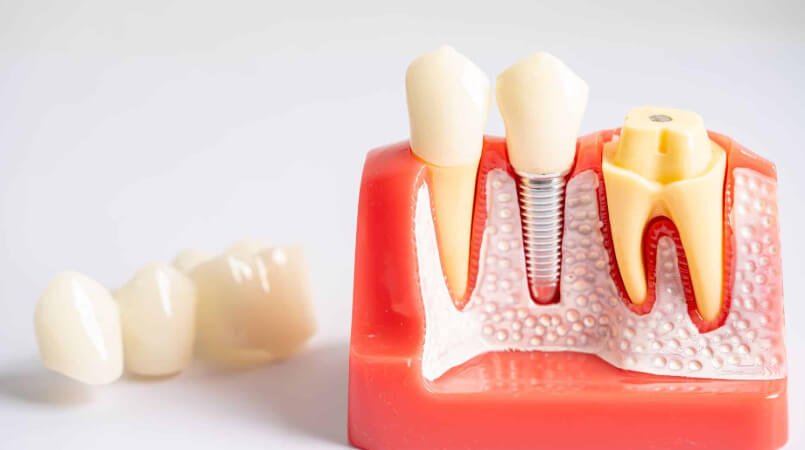
A dental implant works like an artificial tooth root. It is placed into the jawbone, then your bone heals around it in a process called osseointegration. That bond is what gives the implant strength. If the bone is healthy and dense enough, the implant has a much better chance of staying secure under the pressure of chewing and daily use.
When bone support is weak, problems can start early or show up later. The implant may not fuse fully. It may feel loose. The gums around it may become irritated because the foundation underneath is not stable. In some cases, the implant can fail and need to be removed. This is one reason a skilled general and implant dentist spends so much time evaluating your bone before treatment starts.
Bone loss often happens quietly. If a tooth has been missing for a while, the jaw in that area may begin to shrink because it no longer gets the stimulation that a tooth root once provided. Gum disease can also damage the supporting bone. Injury, infection, and long term denture wear can change the shape and volume of the jaw as well. You may feel fine and still have less bone than expected.
Missing teeth often lead to bone loss before implant treatment begins
You might look at the space from a missing tooth and think the area seems healed. On the surface, it may. Underneath, the bone can be changing month by month. This matters because implant dentistry and bone density are tied together. The implant needs enough width and height of bone, and the quality of that bone matters too.
Picture two patients. One lost a tooth recently and still has strong bone volume. The other lost a tooth years ago and wore a removable partial ever since. Both want a fixed replacement. The second patient may need more preparation because the bone likely resorbed over time. That extra planning can affect cost, healing time, and the treatment sequence, but it often prevents bigger problems later.
Your dentist may recommend imaging, a periodontal evaluation, and a full dental exam before discussing timelines. That is not overcautious. It is how hidden issues get found before an implant is placed where it cannot succeed.
Bone grafting can rebuild the foundation for implant success
If your bone is not strong enough now, that is not the end of the conversation. Bone grafting can help rebuild areas that have thinned or collapsed. The graft acts as a scaffold, giving your body a place to grow new bone over time. Some patients need a small graft at the implant site. Others need more involved treatment, especially in the upper back jaw or where bone loss has been severe.
Research continues to improve the materials and methods used in oral reconstruction. The National Institute of Dental and Craniofacial Research outlines ongoing work in dental materials that supports safer, stronger restorative care. The same agency also highlights progress in regenerative medicine, which is shaping how bone and soft tissue may be repaired more effectively.
This is where patience matters. People often want the fastest path to a new tooth, which makes sense. You are eating carefully, smiling differently, maybe avoiding photos. Still, rushing past weak bone can create more expense and stress than waiting a few months for the site to heal properly.
Strong bone support lowers risk and improves long term implant stability
| Condition | What it means for treatment | Likely outcome |
| Healthy bone volume and density | Implant may be placed with a more direct treatment plan | Better initial stability and smoother healing |
| Mild bone loss | May need minor grafting or changes in implant size and position | Good results with careful planning |
| Moderate to severe bone loss | Often needs grafting, staged treatment, or added healing time | Higher complexity but often still treatable |
| Untreated gum disease or infection | Implant placement is usually delayed until the area is healthy | Lower failure risk once disease is controlled |
Tooth implant support in the jaw is not a small technical detail. It shapes whether the implant can handle bite forces every day. It also affects appearance. Good bone support helps the final tooth sit in a way that looks balanced with your gumline and neighboring teeth.
Three steps help you protect your options for implant treatment
Get imaging before making assumptions. A visual exam alone cannot show the full condition of your jawbone. Ask for the imaging your dentist recommends so the plan is based on what is actually there, not what the area looks like from the outside.
Treat bone loss and gum disease early. If you have a loose tooth, bleeding gums, or a long standing gap, do not wait for it to become an emergency. Bone tends to shrink more over time, and infection can limit your options.
Choose a treatment plan built around function, not speed. Fast treatment is appealing, but strong results come from a stable foundation. If your dentist recommends grafting or a staged approach, ask what problem that step is preventing. The answer usually comes back to long term stability.
A stable foundation gives implant treatment its best chance
If you are feeling discouraged about bone loss, you are not alone. Many people start this process thinking they only need a replacement tooth, then learn the real issue is the health of the jaw underneath. That extra step can feel like a setback, but it is often the reason treatment succeeds. A general and implant dentist can evaluate your bone, explain your options clearly, and help you move toward a plan that is built to last.