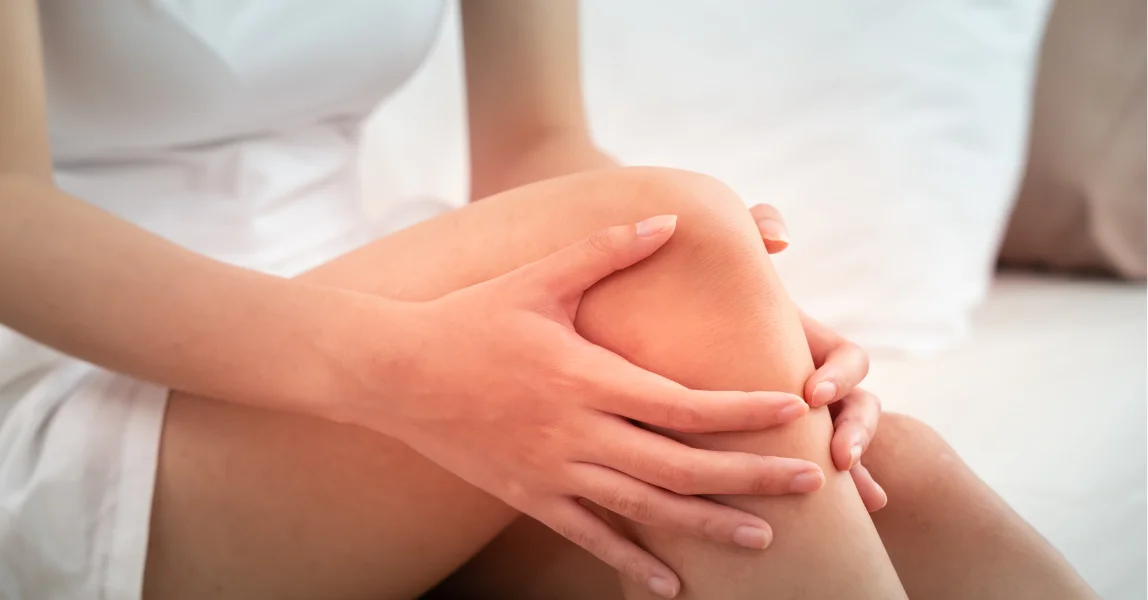
Chronic knee pain can significantly affect a person’s ability to perform everyday activities comfortably. Simple movements such as walking, climbing stairs, standing for long periods, or participating in recreational activities may become challenging when knee discomfort continues over time. Finding an effective approach to advanced chronic knee pain treatment in Houston involves understanding the underlying causes, improving joint function, and adopting strategies that support long-term mobility.
Modern approaches to knee care focus on more than temporary symptom management. They aim to improve movement patterns, strengthen supporting muscles, enhance joint stability, and help individuals return to their preferred daily routines. A comprehensive treatment approach considers physical condition, lifestyle factors, activity requirements, and individual health goals.
With the right combination of evaluation, targeted therapies, and healthy habits, many individuals can work toward improved comfort and better functional movement.
Understanding Chronic Knee Pain and Its Impact on Daily Life
The knee is a complex joint that connects the thigh bone, shin bone, and kneecap while allowing essential movements such as bending, walking, and weight-bearing activities. Because it supports much of the body’s movement, the knee is vulnerable to stress, injury, and gradual changes over time.
Chronic knee pain occurs when discomfort continues for an extended period and begins affecting normal activities.
Common challenges associated with ongoing knee pain include:
- Difficulty walking comfortably
- Reduced flexibility
- Limited participation in physical activities
- Muscle weakness around the joint
- Reduced confidence during movement
- Changes in daily routines
Addressing chronic knee pain requires identifying contributing factors and creating a plan designed around improving overall joint performance.
See also: A Homeowner’s Guide to Roofing Material Lifespan and Durability
Common Factors Behind Long-Term Knee Discomfort
Understanding why knee pain develops is an important part of selecting suitable treatment strategies.
Joint Wear and Structural Changes
Over time, natural changes within the knee joint may influence comfort and mobility. The tissues that support smooth movement can experience gradual changes, leading to stiffness and reduced flexibility.
Supporting joint health through appropriate activity, strengthening, and lifestyle adjustments can help maintain better movement capabilities.
Previous Injuries
Earlier injuries involving the knee’s supporting structures may contribute to ongoing discomfort. Incomplete recovery, reduced muscle strength, or changes in movement patterns can affect how the joint functions.
Proper rehabilitation strategies can help improve stability and encourage healthier movement.
Muscle Weakness and Imbalance
The muscles around the knee play a major role in supporting the joint. Weakness or imbalance in the surrounding muscles may increase stress on the knee during everyday activities.
Strength-focused treatment approaches often aim to improve support around the joint and encourage better movement control.
Advanced Assessment for Personalized Knee Care
Effective chronic knee pain treatment begins with understanding each person’s unique condition. A detailed assessment helps identify factors contributing to discomfort and guides appropriate care planning.
Evaluation may consider:
- Movement patterns
- Muscle strength
- Flexibility levels
- Activity limitations
- Previous injuries
- Lifestyle factors
A personalized approach allows treatment strategies to focus on improving specific challenges rather than applying a general solution.
Advanced Treatment Approaches for Chronic Knee Pain
Modern knee care often combines multiple methods to support improved mobility and function.
Targeted Physical Therapy Programs
Physical therapy is a key component of many advanced knee treatment plans. It focuses on improving strength, flexibility, balance, and movement coordination.
A structured therapy program may include:
- Strengthening exercises
- Mobility training
- Balance exercises
- Functional movement practice
- Stretching routines
The goal is to improve how the knee performs during real-life activities.
Strengthening Supporting Muscles
Strong surrounding muscles help reduce unnecessary stress on the knee joint.
Targeted strengthening may focus on:
- Quadriceps muscles
- Hamstrings
- Hip muscles
- Core stability
Improved muscle support can contribute to better joint control during walking, standing, and other daily movements.
Movement Correction Strategies
Sometimes knee discomfort is influenced by how the body moves during daily activities.
Movement-focused approaches help individuals learn better techniques for:
- Walking
- Climbing stairs
- Exercising
- Lifting objects
- Performing repetitive activities
Improving movement patterns can reduce unnecessary strain and support long-term function.
Lifestyle-Based Support for Better Knee Function
Treatment outcomes often improve when supported by healthy lifestyle choices.
Maintaining Physical Activity
Remaining active within comfortable limits helps prevent stiffness and supports joint mobility.
Suitable activities may include:
- Walking
- Swimming
- Cycling
- Gentle strengthening exercises
- Flexibility routines
Consistent movement encourages better physical function while avoiding unnecessary strain.
Supporting Healthy Weight Management
The knees experience significant pressure during movement. Maintaining a healthy body weight can help reduce additional stress placed on the joint.
Balanced nutrition and regular physical activity can support overall wellness and joint comfort.
Improving Daily Movement Habits
Small adjustments to daily routines can have a positive impact on knee health.
Helpful habits may include:
- Taking movement breaks during long periods of sitting
- Using proper posture
- Choosing supportive footwear
- Avoiding sudden increases in activity intensity
These changes can support better long-term mobility.
Advanced Pain Management Techniques
In addition to rehabilitation strategies, some individuals may explore additional approaches to improve comfort and support recovery.
Heat and Cold Applications
Temperature-based comfort methods may provide temporary support during periods of stiffness or after increased activity.
Heat may help with relaxation and flexibility, while cold applications may help after physical strain.
Supportive Mobility Tools
In certain situations, supportive equipment may assist with movement and reduce stress during activities.
Examples may include:
- Knee supports
- Walking aids
- Activity-specific supports
The appropriate option depends on individual needs and should be selected carefully.
Recovery and Rest Strategies
Adequate recovery is an important part of maintaining joint health.
Rest periods allow the body to adapt to physical activity and may help prevent excessive strain.
The Importance of Consistent Rehabilitation
Long-term improvement often depends on consistency. Knee recovery and improved mobility typically require regular participation in recommended exercises and lifestyle practices.
A successful rehabilitation routine may involve:
- Following exercise recommendations
- Tracking progress
- Adjusting activities gradually
- Maintaining healthy habits
- Monitoring changes in symptoms
Consistency helps build strength, improve confidence, and support better daily function.
Preventing Future Knee Problems
Advanced knee care is not only about managing current discomfort but also about protecting joint health in the future.
Preventive strategies include:
Building Strength Gradually
Increasing activity levels slowly allows muscles and joints to adapt safely.
Practicing Proper Exercise Techniques
Correct form reduces unnecessary stress and supports safer movement.
Listening to Body Signals
Recognizing discomfort early and adjusting activities can help prevent worsening symptoms.
Maintaining Overall Wellness
Sleep, nutrition, hydration, and stress management all contribute to better physical recovery and performance.
Returning to Everyday Activities with Greater Confidence
One of the main goals of advanced chronic knee pain treatment is helping individuals regain independence in daily life.
Improved knee function can support activities such as:
- Walking longer distances
- Completing household tasks
- Returning to hobbies
- Participating in exercise
- Maintaining an active lifestyle
A structured approach focused on mobility, strength, and joint support can help individuals work toward meaningful improvements.
Conclusion
Advanced chronic knee pain treatment to restore daily activities focuses on improving mobility, strengthening the body’s support systems, and addressing factors that contribute to long-term discomfort. Through personalized assessment, targeted rehabilitation, lifestyle improvements, and appropriate pain management strategies, individuals can take important steps toward better knee function.
A successful approach requires patience, consistency, and attention to individual needs. By combining modern treatment methods with healthy daily habits, it is possible to support stronger joints, improved movement, and a more active lifestyle.