You might be telling yourself it is probably nothing. A tooth hurts now and then, your jaw feels tight, or those wisdom teeth that never fully came in are acting up again. Life is busy, and it is easy to push dental pain to the side until eating, sleeping, or even talking starts to feel harder than it should. That is often the moment when concern turns into stress, and you begin to wonder whether a regular dental visit is enough or if you may need something more specialized, like an oral surgeon for TMJ treatment in New Braunfels TX.
If that sounds familiar, you are not overreacting. Some mouth and jaw problems do need the care of an oral surgeon and implant dentist, especially when pain, infection, impacted teeth, or bone issues are involved. In simple terms, the signs often include ongoing tooth pain or swelling, wisdom tooth trouble, jaw problems, and missing or damaged teeth that may need surgical treatment or implants. Knowing what to watch for can help you act before a smaller issue becomes a bigger one.
Is Ongoing Pain or Swelling One of the clearest signs you need an oral surgeon?
Pain that lingers is your body asking for attention. The same is true for swelling in the gums, face, or jaw. A mild toothache after something cold may pass, but pain that keeps returning, wakes you up at night, or makes chewing difficult can point to a deeper problem. In some cases, the issue is not just the tooth itself. It may involve the roots, surrounding bone, or an infection that has spread.
Because of this, waiting can carry real risks. According to MedlinePlus information on tooth extraction, severe decay, infection, crowding, and impacted teeth are among the reasons a tooth may need to be removed. If your dentist sees that a simple extraction may not be enough, they may refer you to a specialist for surgical care.
So, where does that leave you? If your mouth pain is paired with swelling, a bad taste, pus near the gumline, or trouble opening your mouth, it is wise to seek care soon. Those symptoms can signal an infection that should not be ignored.
Are wisdom teeth causing more trouble than you expected?
Wisdom teeth often start as an annoyance. Maybe there is pressure at the back of your mouth, or your gums feel sore and swollen for a few days at a time. Then the pattern repeats. This is one of the most common reasons people are referred for oral surgery.
When wisdom teeth do not have enough room to come in, they can stay trapped under the gums or emerge at an angle. That can lead to pain, swelling, infection, damage to nearby teeth, and cleaning problems that increase your risk of decay. The University of Washington guide to wisdom teeth explains that impacted wisdom teeth may harm adjacent teeth and gum tissue even when symptoms seem mild at first.
This is where many people get stuck. If the pain comes and goes, it is tempting to wait. But recurring flare ups usually mean the problem is still there. If you have repeated swelling at the back of the mouth, jaw stiffness, or food getting trapped around partially erupted wisdom teeth, those may be clear signs you need a mouth surgeon rather than routine monitoring alone.
What if your jaw clicks, locks, or hurts when you chew?
Not every jaw issue needs surgery, but some do need a closer look. If your jaw clicks once in a while without pain, that may not be urgent. Still, if you have pain when chewing, frequent headaches, limited opening, locking, or a bite that suddenly feels off, it is worth taking seriously.
Jaw problems can affect more than comfort. They can change how you eat, sleep, and speak, and over time they can strain the muscles and joints that help your mouth function. The NCBI overview of oral and maxillofacial surgery describes how specialists evaluate conditions involving the jaw, facial bones, impacted teeth, and related structures when more advanced treatment is needed.
What if you have already tried softer foods, over the counter pain relief, or a night guard, and the issue keeps coming back? That is often a sign the problem needs a fuller evaluation. A regular dentist can help identify the issue, but a surgical consult may be the next right step if the joint, bone, or tooth position is part of the problem.
Could missing or badly damaged teeth mean you need a surgical solution?
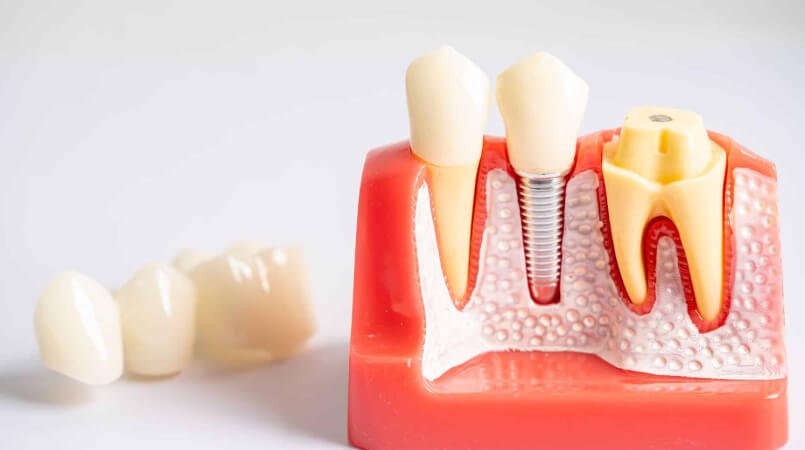
Losing a tooth is not only about appearance. It can change how you bite, how your teeth fit together, and how the bone in your jaw holds up over time. The same is true for a tooth that is cracked below the gumline or too damaged to restore. In those cases, surgical extraction and replacement planning may be part of the process.
This is one area where people often feel overwhelmed. You may be asking yourself what happens next, how long it will take, and whether replacing the tooth is really necessary. Those are fair questions. A specialist in tooth surgery care and dental implants can assess bone support, healing needs, and whether an implant is a good option after removal.
How do common symptoms compare with reasons to see an oral surgeon?
| What you notice | What it may suggest | Why a surgical consult may help |
| Tooth pain that lasts or keeps returning | Deep decay, infection, root damage, or bone involvement | Advanced imaging and surgical treatment may be needed |
| Swollen gums or face, bad taste, drainage | Abscess or spreading infection | Fast treatment can prevent the problem from worsening |
| Pain or pressure around wisdom teeth | Impaction, crowding, gum infection | Removal may protect nearby teeth and reduce repeat flare ups |
| Jaw clicking with pain, locking, or limited opening | Joint, muscle, or bite related issue | Specialized evaluation can rule out structural problems |
| Missing, broken, or non restorable tooth | Need for extraction and possible implant planning | Bone and replacement options can be reviewed together |
What can you do right now if these signs sound familiar?
1. Track the pattern. Write down when the pain started, what makes it worse, whether swelling comes and goes, and if you have trouble chewing or opening your mouth. That small record can help a dentist or surgeon see the full picture faster.
2. Do not ignore infection signs. If you have swelling, fever, drainage, or severe pain, seek care promptly. Mouth infections can move quickly, and early treatment is usually simpler than waiting.
3. Ask whether a specialist referral makes sense. If your dentist mentions impacted teeth, complex extraction, jaw concerns, or implant planning, ask if an oral surgeon and implant dentist should evaluate you. A referral does not mean the situation is extreme. It often means you are getting the right level of care.
See also: A Practical Guide to Comparing Health Insurance Plans and Calculating Your Premium
When should you stop waiting and get answers?
If your symptoms keep interrupting daily life, that is reason enough to take the next step. Pain that lingers, swelling that returns, wisdom teeth that keep flaring up, jaw problems, and missing or badly damaged teeth are all signs that deserve attention. You do not need to wait until it becomes unbearable to find out what is going on.
Getting clear answers can bring a real sense of relief, even before treatment begins. When you understand the cause, you can make decisions with more confidence and less fear. If these 4 signs you may need to see an oral surgeon sound familiar, consider scheduling an evaluation and getting a plan that fits your needs.