Most people don’t think much about their roof until something forces the issue — a shingle peeling back after a storm, a mysterious ceiling stain, or a contractor’s quote that makes you wince. By then, the decision usually feels rushed. You’re reacting to whatever broke instead of choosing what will actually hold up for the next few decades. That’s unfortunate, because the roof is one of the few parts of a house where material choice really does drive the bottom line — how much you spend, how often you’re calling a repair crew, and how well everything underneath stays dry. Knowing the basics before you’re standing in a showroom or signing a contract puts you in a much better position to ask the right questions.
What “lifespan” really means
The warranty period and “expected life” figures seem to be accurate, but this is far from being the case. The warranty of 30 years on the shingles—or even standing seam roofing—doesn’t mean that the roofing will be looking and working in the same way after 10,950 days as it worked and looked at the beginning of the first day.
Three things matter more than whatever’s printed on the spec sheet:
- Material quality. Budget product lines within the same category can underperform their premium siblings by a decade or more.
- How well it was installed. A poorly flashed valley or a badly nailed shingle can cut a roof’s life in half, no matter how good the material is.
- Ongoing upkeep. Clogged gutters, moss left to spread, or poor attic ventilation will age a roof faster than the material ever would on its own.
The materials, one by one
Asphalt shingles remain the default choice — cheap, easy to install, and available in nearly any style. Basic three-tab shingles typically last 15–20 years; thicker architectural shingles can reach 25–30. Heat and UV are their real enemy, drying out the asphalt binders over time, so roofs in hot, sunny regions tend to age faster than the warranty suggests. Hail bigger than an inch can bruise or crack them, and wind ratings vary a lot by product line.
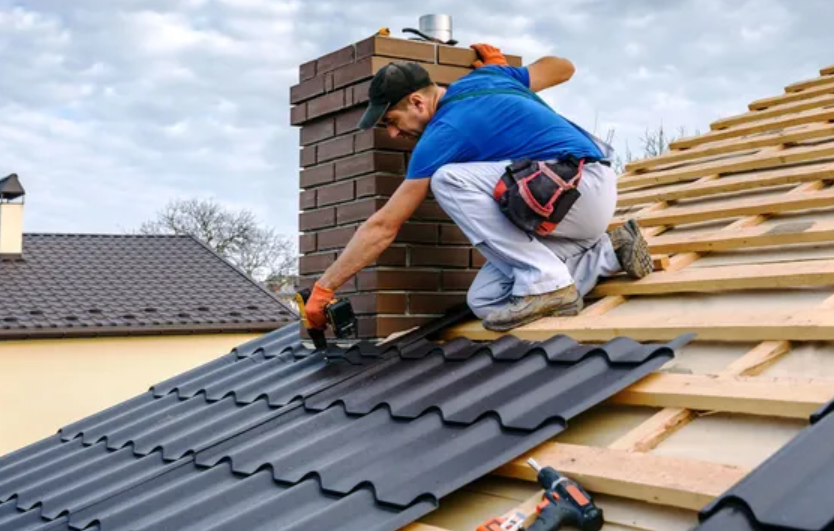
Metal roofing has shed its old barn-and-warehouse image and become a legitimate residential option, especially standing-seam panels. Lifespans of 40–70 years are common. It sheds water well and doesn’t suffer the freeze-thaw cracking that plagues other materials, though corrosion resistance depends on the coating — galvanized steel fares worse than galvalume or aluminum near the coast. Upfront cost runs two to three times that of asphalt, but stretched over its lifespan, the cost per year often comes out ahead.
Clay and concrete tile can last 50–100 years, though the underlayment beneath it usually needs replacing every 20–30 years — a labor-intensive job since the tiles have to come off first. Tile shrugs off fire, rot, and insects, and thrives in hot, dry, or coastal climates, but freeze-thaw cycles can crack it, and it’s heavy enough that older homes may need structural reinforcement before installation.
Slate is the roofing equivalent of quarried heirloom furniture — some installations are still going strong after 200 years, with 75–150 is a realistic range for quality slate. It’s essentially immune to fire, rot, and UV damage, and its main weakness is physical impact: a dropped branch or careless foot traffic can crack tiles that are difficult to match for repairs. It’s also the priciest option on this list, both for materials and the specialized labor to install it.
Wood shakes, usually cedar, bring a rustic look suited to cabins and wooded settings, lasting 20–40 years depending heavily on climate. They do best in dry, well-ventilated areas; humidity invites rot and moss far sooner than the material’s ceiling would suggest, and some wildfire-prone jurisdictions restrict untreated wood outright. Maintenance isn’t optional here — periodic cleaning and treatment are basically required to reach the upper end of the range.
Synthetic and composite roofing, engineered from polymers or rubber blends to mimic slate, wood, or tile, typically lasts 30–50 years. It’s more consistent than natural materials, often rated well for hail impact, and lighter than the real thing — a solid middle ground for homeowners who want the look without the structural commitment.
See also: Why a Third Party Installation Partnership Is a Smart Growth Strategy for Businesses
Climate, installation, and upkeep still decide the outcome
Even the best material underperforms with sloppy flashing, poor ventilation, or fastening shortcuts — these installation issues cause more leaks than the roofing material itself ever does. And each of these materials will be aided by the basics: cleaning out the gutters and any debris, removing any moss and algae, and having someone look at the roof by a professional about every five years..
Bottom line
The key to choosing the right roof is finding the material that meets your climate, budget, and long-term plans. If you choose asphalt, it will be inexpensive to install initially, but you’ll have to replace it sooner than other materials. Metal options like standing seam roofing and synthetics will give you an average balance between the lifetime of your roof and its initial cost. Finally, tiles and slates are going to cost you more now but may outlast your mortgage.