You might be trying to find a dental home where no one in your family feels rushed, judged, or afraid. Maybe one child is nervous about cleanings, another person in the house keeps putting off treatment, and you are left wondering how to keep everyone on track without turning each visit into a struggle. That tension is real, because oral health is personal, and comfort matters just as much as skill when you are trusting someone with your family’s care. For families also exploring solutions like LaGrange dental implants, finding a practice that combines compassion with clinical expertise can make the process feel far less overwhelming.
At the same time, you do not want comfort to come at the cost of quality. You want a provider who is gentle, but also careful, trained, and clear about what your family needs. That is where How Family Dentistry Balances Comfort And Professional Care becomes more than a nice idea. It becomes the reason people stay consistent with checkups, catch problems early, and feel more at ease over time. In simple terms, a good family dental care approach makes treatment feel manageable while still holding high clinical standards.
Why does comfort matter so much in family dentistry?
When people feel uneasy at the dentist, they often delay visits until something hurts. That can turn a small issue into a bigger one, whether it is a cavity, gum irritation, or a cracked tooth. For children, one stressful appointment can shape how they feel about dental care for years. For adults, fear and embarrassment can quietly build, especially if it has been a long time since the last exam.
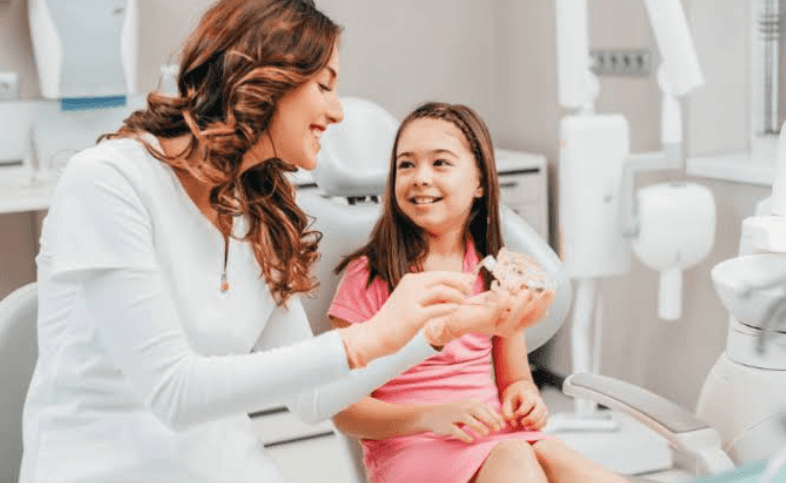
Because of this, comfort is not just about soft voices or a friendly waiting room. It supports better health choices. A caring family dentist usually explains what is happening in plain language, checks in during treatment, and adapts care to the person in the chair. That can mean slowing down for a child, helping a teen understand brushing habits, or talking an adult through options without pressure.
Professional care, of course, still has to lead the way. According to the CDC’s oral health overview, oral health is closely linked to overall health. That means regular exams are not just about teeth looking clean. They can help identify signs of decay, gum disease, and other concerns before they become harder and more costly to treat.
What happens when comfort is missing, even if the care is skilled?
A technically strong dental visit can still fail a family if people leave feeling dismissed or overwhelmed. Imagine a parent bringing in two children after school. One is restless, one is scared, and the parent is already stretched thin. If the office feels cold or confusing, everyone walks out more stressed than when they arrived. The care may have been correct, but the experience makes the next appointment harder to keep.
Now think about the other side. What if the office is warm and calm, but the care is casual, inconsistent, or vague? That can create a different problem. Families may feel comfortable in the moment, yet miss early warnings that need attention. So, where does that leave you? It points to a balance. The best dental care for families pairs a gentle approach with strong preventive care, accurate exams, and clear treatment planning.
The National Institute of Dental and Craniofacial Research shares helpful oral hygiene guidance that supports this idea. Daily habits matter, but they work best when they are backed by professional cleanings and exams. Home care and office care are not competing choices. They support each other.
How can families tell if a dental practice balances both?
Often, the signs are simple. The staff explains things without talking down to you. Appointments feel organized. Preventive care is taken seriously. Questions are welcomed. Children are treated with patience, and adults are given honest options instead of pressure. A strong family oral care model also respects that different people need different kinds of support, even within the same household.
It also helps when expectations are clear. You should know what the visit includes, what follow up is needed, and how to handle daily care at home. The CDC also offers oral health tips for adults that remind families how routine habits like brushing with fluoride toothpaste, flossing, and limiting sugary drinks can lower risk between visits.
What practical differences should you look for in family dental care?
Sometimes it helps to compare what balanced care looks like in everyday life. The table below shows how comfort and professionalism work together, rather than pulling in opposite directions.
| What Families Need | Comfort Focus Only | Professional Care Only | Balanced Family Dentistry |
|---|---|---|---|
| Nervous child at a cleaning | Kind tone, but little structure | Efficient cleaning, but fear may grow | Gentle pacing, clear explanation, complete exam |
| Adult with delayed treatment | Reassurance, but no clear plan | Strong plan, but shame or pressure | Respectful discussion, options, and timely treatment |
| Busy family scheduling care | Flexible feel, but poor follow through | Strict system, but little empathy | Organized visits with realistic support |
| Prevention at home | General advice only | Clinical instructions without context | Simple coaching matched to age and habits |
What can you do right now to support better family dental care?
1. Pay attention to how your family feels before and after visits.
If people come in tense and leave calmer, that matters. If they leave confused, ashamed, or more afraid, that matters too. Emotional response is not a small detail. It often predicts whether your family will stay consistent with care.
2. Ask direct questions about prevention and treatment planning.
You can ask what the office watches for at each age, how they handle anxiety, and what steps they recommend at home. Good answers should be clear and practical. You should not feel rushed for wanting to understand your options.
3. Build a routine that connects home care with regular visits.
Brushing and flossing at home are the base, but they work best when paired with professional support. Set simple habits, keep appointments regular, and treat dental care as part of whole family health, not just something to handle when pain starts.
See also: Integrated Facility Services Company for Complete Business Solutions
Can family dentistry really make dental care feel easier over time?
Yes, and that change often happens slowly, then all at once. A child who once cried at checkups may begin to trust the routine. An adult who avoided treatment may finally feel ready to ask questions and move forward. A household that used to react to dental problems can start preventing them instead. That is the quiet strength of a good family dentist. The care feels human, but it never loses its standards.
If you are looking for a dental experience that respects both comfort and quality, keep that balance in mind as you choose your next provider. The right family dentistry approach can help your household feel more at ease, more informed, and more consistent with care.