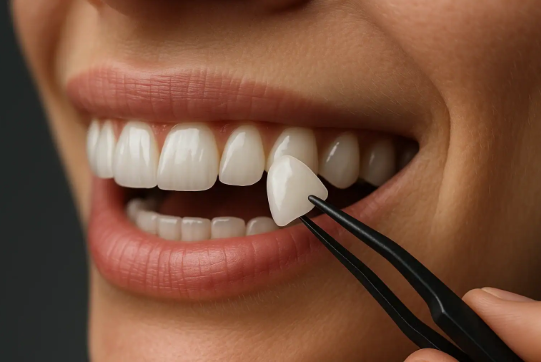
You notice it in photos first. One front tooth looks slightly longer, one edge catches the light differently, or a small chip makes your smile feel off even if nobody else sees it right away. That kind of change can sit in your mind all day, especially when you want a simple fix from a dentist in Los Angeles and worry about ending up with too much drilling, too much reshaping, or teeth that no longer look like your own.
That concern is valid. Uneven incisal edges can often be improved with a conservative plan, and a good cosmetic dentist does not jump straight to aggressive treatment. The goal is balance, not overworking healthy enamel. In many cases, the answer is careful polishing, bonding, or a small adjustment in bite, with treatment chosen only after the cause of the uneven wear or chipping is clear.
Uneven incisal edges usually have a cause that matters
The incisal edges are the biting edges of your front teeth. When they look irregular, the issue may be cosmetic, but it often connects to function as well. A minor chip from an accident is one thing. Ongoing wear from grinding, clenching, acid erosion, or a bite imbalance is different. If that cause gets missed, the repair may look good for a short time and then fail.
You may have been told to “just smooth it out,” and sometimes that is exactly right. If the edge is slightly rough and the tooth structure is sound, enamel recontouring can be enough. That means a dentist removes a tiny amount of enamel to create a more even line. It is subtle, fast, and usually the most conservative option when the shape problem is small.
The problem comes when a bigger treatment is used for a smaller issue. Veneers on multiple front teeth can look polished, but they are not always the first answer for a minor edge discrepancy. If the tooth only needs a small corner rebuilt, composite bonding may preserve far more natural structure. Research on dental materials and restorative advances has helped make modern bonding stronger and more lifelike than many people expect.
Conservative cosmetic dentistry focuses on preserving enamel
Uneven front teeth repair should start with the least invasive option that can actually last. That means your dentist looks at tooth position, bite contact, enamel thickness, habits like nail biting or grinding, and signs of tooth wear before recommending treatment.
If you grind your teeth at night, a bonded edge may keep chipping unless that habit is managed. If acid wear has thinned the enamel, smoothing the edges without addressing diet or reflux may remove more structure than your teeth can spare. The UK guidance on tooth wear prevention and management explains how wear patterns help guide treatment and prevention.
This is where people often feel torn. You want the smile fixed, but you do not want a chain of bigger procedures later. That is why conservative cosmetic planning matters. A dentist may recommend doing nothing yet except monitoring, especially if the unevenness is tiny and your enamel is healthy. That can feel anticlimactic, but restraint is sometimes the best care.
Small corrections can create a big visual change
Front teeth do not need to be perfectly identical to look attractive. In fact, natural smiles usually have slight variation. The aim is harmony. A small chip on one central incisor can make the whole smile seem crooked, even when the teeth are straight. Correct that one edge carefully, and the smile often looks dramatically more even.
Incisal edge contouring may involve one tooth or several, depending on symmetry, but more treatment is not better treatment. If a dentist lengthens one tooth with bonding, they may lightly refine the opposite tooth for balance. That is very different from cutting down multiple teeth for crowns or veneers when they are otherwise healthy.
Medical causes matter too. If enamel is breaking down because of acid exposure, dry mouth, or bruxism, those issues need attention. MedlinePlus offers a useful overview of tooth disorders and damage that can affect shape and structure over time.
Common treatment choices for uneven incisal edges
| Treatment | Best For | Tooth Structure Removed | Main Limitation |
| Enamel recontouring | Tiny irregularities, rough edges, slight length imbalance | Very little | Only works when the change needed is small |
| Composite bonding | Small chips, worn corners, minor length correction | Usually none or very little | Can stain or chip over time |
| Orthodontic adjustment | Edges that look uneven because teeth are misaligned | None | Takes longer than reshaping alone |
| Veneers | Shape, colour, and edge concerns across visible front teeth | Moderate in many cases | Less conservative, higher long term commitment |
A skilled cosmetic dentist weighs appearance against long term tooth health. If your issue is a tiny chip, veneers may be excessive. If the tooth is already heavily restored and weak, bonding may not be enough. The right choice depends on what your tooth can safely support.
Clear planning reduces the risk of over treatment
Over treatment often starts when the conversation is rushed. If you are shown only one option, or if nobody explains why the edge became uneven in the first place, pause. Ask whether the change can be tested first with bonding or mock ups. Ask how much enamel will be removed. Ask what happens if you do nothing for six months and monitor it.
Those questions are not difficult or distrustful. They are smart. A thoughtful dentist should be comfortable answering them in plain language.
Three steps you can take before committing to treatment
1. Ask what caused the uneven edge. A chip, grinding habit, acid wear, and bite interference do not get treated the same way. If the cause stays active, the repair may fail.
2. Ask for the most conservative option first. If polishing or bonding can solve the problem well, start there. You can always move to a larger treatment later, but enamel removed cannot be put back naturally.
3. Ask to see the plan tooth by tooth. If more than one front tooth is being treated, ask why each tooth needs it. This helps you spot the difference between necessary balance and unnecessary expansion of treatment.
A natural looking result usually comes from doing less, not more
If your front teeth look uneven, you do not need to panic and you do not need to accept a one size fits all answer. The best results often come from careful diagnosis, small changes, and respect for healthy enamel. When treatment fits the actual problem, your smile can look more even without looking overdone.
If you are considering treatment, book a consultation with a cosmetic dentist and ask for a conservative plan first.