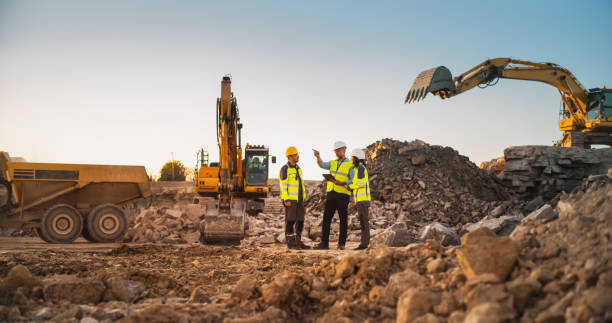
Excavation is one of the most important stages of many construction, landscaping, utility, and site development projects. Before foundations can be poured, drainage systems installed, retaining structures built, or landscapes reshaped, the ground must often be carefully prepared. Because excavation creates the foundation for everything that follows, choosing reliable excavation contractors can have a major influence on project quality, safety, scheduling, and overall efficiency.
Professional excavation is much more than moving soil from one location to another. It requires an understanding of site conditions, grading requirements, equipment capabilities, underground utilities, drainage, access limitations, and construction schedules. Experienced excavation contractors bring the planning, machinery, technical knowledge, and workforce needed to complete excavation work efficiently while preparing the site for the next stage of construction.
The Importance of Professional Excavation
Every construction site begins with the ground beneath it. If excavation is rushed, poorly planned, or performed without considering existing site conditions, problems can develop later in the project.
Uneven grades, unstable soil, inadequate drainage, incorrect excavation depths, and damaged underground infrastructure can result in delays and additional costs. Professional excavation contractors approach site preparation systematically, helping establish the conditions needed for successful construction.
Preparing the Site Correctly
Proper site preparation can involve clearing selected areas, removing unsuitable material, establishing elevations, creating access routes, and preparing locations for foundations or other structures.
The exact requirements depend on the project. A residential foundation may require precise digging and grading, while a larger development may involve extensive earthmoving and site balancing.
Supporting the Construction Schedule
Excavation is often one of the first major activities on a project. Delays at this stage can affect multiple trades that depend on the site being ready.
Reliable contractors understand the importance of scheduling and coordinate their work around project milestones. Efficient excavation can help keep subsequent foundation, utility, paving, or landscaping work moving forward.
Comprehensive Excavation Services
Different projects require different types of excavation. A versatile contractor can adapt equipment and techniques to the specific requirements of the site.
Foundation Excavation
Foundation excavation requires accuracy because the dimensions and depth of the excavation directly affect the construction that follows. Contractors need to account for project plans, soil conditions, site access, and required working space.
Careful excavation can help create a stable and properly prepared area for foundations, basements, garages, additions, and other structures.
Trenching for Utilities
Utility installation often requires narrow, controlled excavations for water lines, drainage, electrical systems, communications infrastructure, or other underground services.
Trenching must be performed with attention to depth, alignment, access, and existing underground conditions. Proper planning can help reduce unnecessary disruption while creating suitable pathways for new infrastructure.
Grading and Site Preparation
Grading involves shaping the ground to achieve desired elevations and slopes. It can be essential for directing water away from structures, creating level building areas, preparing driveways, and establishing functional landscapes.
Accurate grading requires more than simply moving soil. The contractor must understand how changes in elevation will affect drainage, access, structures, and surrounding areas.
Efficient Equipment for Different Site Conditions
Modern excavation contractors rely on specialized equipment to handle different types of earthmoving work. Choosing the appropriate machinery can improve productivity and reduce unnecessary labor.
Matching Equipment to the Project
Excavators, skid steers, loaders, trenching equipment, and other machines each have specific capabilities. A contractor evaluates factors such as excavation depth, site size, material type, access restrictions, and required production levels when determining which equipment is appropriate.
Using equipment suited to the task can make operations more efficient while helping minimize disruption to surrounding areas.
Working in Confined Areas
Not every project provides a large, open worksite. Residential properties, established landscapes, and urban construction areas may have narrow access points or limited space for machinery.
Experienced contractors can plan equipment movement and excavation techniques around these constraints, helping complete necessary work without causing avoidable damage to nearby structures or property features.
Understanding Soil and Site Conditions
Ground conditions can vary significantly from one property to another. Soil composition, moisture, rocks, existing fill, slopes, and groundwater can all influence excavation methods.
Evaluating Ground Conditions
Before excavation begins, contractors should understand the conditions they may encounter. This can help inform equipment selection, excavation techniques, material handling, and site preparation.
Unexpected conditions can affect schedules, so experienced teams know the importance of remaining adaptable while maintaining the project’s overall objectives.
Managing Excavated Material
Excavation often produces significant amounts of soil or other material. Depending on its condition and the project requirements, material may be reused on-site, relocated, stored temporarily, or removed.
Efficient material management helps prevent unnecessary handling and keeps the work area organized.
Safety as a Core Part of Excavation
Excavation involves heavy equipment, open trenches, unstable ground, underground utilities, and changing site conditions. Safety therefore needs to be considered throughout the project rather than treated as an afterthought.
Protecting Workers and the Worksite
A professional excavation team follows appropriate site procedures and evaluates hazards before and during operations. Safe equipment operation, controlled access, proper communication, and attention to changing ground conditions are essential elements of responsible excavation work.
Identifying Underground Utilities
Underground utility lines can present serious hazards if they are not identified before digging. Water, electrical, gas, communication, and other services may be located beneath the work area.
Contractors should follow applicable utility-locating and excavation procedures before beginning work. Careful planning helps reduce the risk of accidental damage and costly interruptions.
Precision Helps Prevent Costly Problems
Excavation work may be performed early in a project, but its accuracy can influence many later stages.
Maintaining Correct Elevations
Foundation areas, drainage systems, driveways, retaining walls, and other construction elements often depend on specific elevations. Excavating too deeply or too shallowly can create complications that require additional material, labor, or corrective work.
Careful measurement and ongoing verification help contractors maintain the required grades and depths.
Creating Proper Drainage
Water management is an important consideration for many excavation projects. Poor grading can allow water to collect around structures or move toward areas where it can cause problems.
By establishing appropriate slopes and drainage paths, excavation contractors can help prepare the site for effective water management.
Managing Excavation Projects on Schedule
Timely completion is a major concern for property owners, builders, and developers. Excavation contractors contribute to schedule performance through planning, communication, equipment readiness, and efficient site operations.
Planning Before Equipment Arrives
A detailed understanding of the scope can help prevent unnecessary interruptions once work begins. Contractors can review access, expected excavation quantities, material handling requirements, equipment needs, and project sequencing before mobilization.
Preparation allows the crew to begin work with a clearer understanding of what needs to be accomplished.
Communicating With Other Contractors
Excavation rarely happens in isolation. Foundation crews, utility installers, concrete contractors, landscapers, and other professionals may depend on the site being completed to specific requirements.
Clear communication between contractors can help reduce conflicts and keep the overall project moving.
Minimizing Disruption to the Property
Excavation can temporarily change the appearance and accessibility of a property. Professional planning can help reduce unnecessary disruption.
Protecting Surrounding Areas
Contractors should consider nearby structures, landscaping, driveways, fences, and access routes when planning excavation operations.
Controlled equipment movement and thoughtful staging can help limit damage outside the designated work area.
Restoring the Site After Excavation
Depending on the scope of work, the project may require backfilling, rough grading, compaction, or preparation for the next construction phase.
Leaving the site organized and appropriately prepared can make the transition to subsequent work smoother.
Choosing the Right Excavation Contractor
Not every excavation contractor offers the same level of experience, equipment, communication, or project management. Choosing the right team is therefore an important step.
Look for Relevant Experience
A contractor should have experience with projects similar to yours. Residential excavation, commercial development, utility trenching, grading, and large-scale earthmoving can involve very different requirements.
Relevant experience can help the contractor anticipate challenges and select appropriate methods.
Consider Reliability and Communication
A reliable contractor should provide clear information about the scope, expected schedule, site requirements, and project progress.
Good communication helps property owners and other project participants understand what is happening and allows potential issues to be addressed before they become major delays.
Evaluate Equipment and Capabilities
Having access to suitable equipment can improve efficiency. Contractors with a broad range of machinery and trained operators may be better equipped to adapt to changing site conditions and different excavation requirements.
Building a Strong Start for the Entire Project
Excavation may not be the most visible part of a construction project, but it establishes the physical conditions on which later work depends. A properly excavated and graded site can provide a more reliable starting point for foundations, utilities, drainage, paving, landscaping, and other improvements.
By investing in professional excavation services, property owners can reduce the likelihood of avoidable complications and create a more organized path toward project completion.
See also: 15 Business Documents Every Enterprise Should Automate First
Conclusion
Reliable excavation contractors play a vital role in keeping construction and site development projects efficient, safe, and properly prepared for the stages that follow. From foundation digging and utility trenching to grading, material management, and site preparation, professional excavation requires careful planning and precise execution.
The right contractor combines suitable equipment, experienced operators, strong communication, attention to site conditions, and a commitment to responsible work practices. These qualities can help minimize disruptions, maintain project schedules, and provide the accurate groundwork needed for successful construction.
Whether the project involves a residential property, commercial site, utility installation, or larger development, excavation should be treated as a critical part of the overall construction process. Choosing a dependable excavation team can provide the confidence that the work will be completed with efficiency and care, creating a strong foundation for the project from the ground up.