Industrial machinery operates under demanding conditions where efficiency, reliability, and operational longevity are critical. One of the most important yet often overlooked components that contribute to machine performance is shaft sealing. Whether in turbines, pumps, compressors, or rotating equipment, effective sealing systems help prevent leakage, reduce contamination, and optimize operational efficiency.
As industries continue to seek higher performance standards and lower maintenance costs, modern sealing technologies have evolved significantly. Advanced sealing solutions not only protect equipment but also improve energy efficiency, minimize downtime, and extend component life.
In this article, we explore the importance of shaft sealing, its benefits, key technologies, and how modern sealing systems are transforming industrial operations.
Understanding Shaft Sealing
Shaft sealing refers to the process of preventing fluids, gases, contaminants, or pressure loss from passing through the space between a rotating shaft and stationary housing. Since rotating shafts are common in many industrial machines, maintaining an effective seal is essential for ensuring system integrity.
Without proper sealing, equipment can experience:
- Fluid leakage
- Pressure loss
- Increased energy consumption
- Premature component wear
- Environmental contamination
- Higher maintenance costs
Modern sealing systems are designed to withstand extreme temperatures, pressures, rotational speeds, and harsh operating environments while maintaining reliable performance.
Why Shaft Sealing Matters in Industrial Applications
Industrial facilities rely heavily on rotating equipment to maintain production processes. Even minor leakage can significantly impact operational efficiency and profitability.
Effective shaft sealing helps organizations achieve:
- Improved equipment reliability
- Reduced operational downtime
- Better energy efficiency
- Enhanced workplace safety
- Lower maintenance expenses
- Compliance with environmental regulations
From power generation plants to manufacturing facilities, sealing technology plays a critical role in supporting uninterrupted operations.
Key Functions of Shaft Sealing Systems
A high-performance sealing system performs multiple functions beyond simply stopping leaks.
Leakage Prevention
The primary role of a seal is preventing fluids and gases from escaping the system. This helps maintain operating pressure and process efficiency.
Contamination Control
Industrial environments often expose machinery to dust, moisture, chemicals, and debris. Proper seals prevent contaminants from entering sensitive equipment.
Pressure Retention
Many systems depend on controlled pressure levels. Sealing technology ensures pressure remains stable throughout operation.
Equipment Protection
By minimizing friction, wear, and contamination, seals protect bearings, shafts, and other critical components from premature failure.
Operational Efficiency
Reduced leakage and friction losses contribute to improved overall equipment performance and lower energy consumption.
Types of Modern Shaft Sealing Technologies
Advancements in engineering have introduced several sealing technologies designed for different applications and operating conditions.
Mechanical Seals
Mechanical seals are among the most commonly used sealing solutions. They consist of rotating and stationary faces that create a tight sealing interface.
Benefits include:
- High sealing efficiency
- Minimal leakage
- Long service life
- Suitable for high-pressure environments
These seals are widely used in pumps, compressors, and process equipment.
Labyrinth Seals
Labyrinth seals utilize a complex passage design that restricts fluid flow without direct contact between components.
Advantages include:
- Reduced wear
- Lower maintenance requirements
- High-speed capability
- Extended operational lifespan
These seals are frequently found in turbines and large rotating machinery.
Carbon Ring Seals
Carbon ring seals offer excellent durability and are commonly used in steam turbines and compressors.
Their key benefits include:
- High-temperature resistance
- Low friction characteristics
- Effective leakage control
See also: The Benefits of Professional Area Rug Cleaning Services for a Healthier Home
Brush Sealing Technology
One increasingly popular solution is brush seals. These seals utilize densely packed metallic bristles that create a flexible sealing barrier around rotating shafts.
Key advantages include:
- Superior leakage control
- Reduced seal wear
- Adaptability to shaft movement
- Improved efficiency compared to conventional labyrinth seals
Many industries adopt brush seal technology to enhance turbine and compressor performance while reducing operational losses.
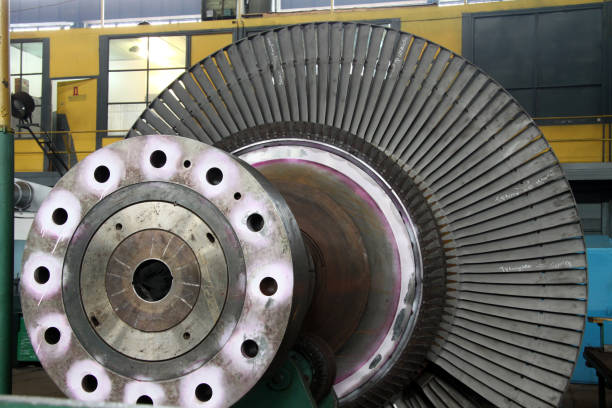
The Role of Honeycomb Seals in Advanced Systems
Modern turbomachinery often incorporates honeycomb seals to improve sealing effectiveness.
Honeycomb structures create a unique flow restriction pattern that helps minimize leakage while maintaining rotor stability.
Benefits include:
- Increased efficiency
- Improved vibration control
- Reduced wear on rotating components
- Better aerodynamic performance
These advanced seal designs are commonly used in aerospace engines, gas turbines, and industrial compressors where performance optimization is critical.
Stationary Components and Sealing Performance
Sealing effectiveness depends not only on rotating elements but also on properly designed stationary parts sealing systems.
Stationary sealing components work alongside rotating seals to maintain pressure integrity and prevent fluid migration.
Important design considerations include:
- Material compatibility
- Thermal expansion characteristics
- Surface finish quality
- Pressure resistance
When stationary sealing elements are optimized, the entire sealing system operates more efficiently and reliably.
Seal Clearance Optimization for Maximum Efficiency
One of the biggest challenges in rotating equipment is managing the gap between moving and stationary components.
Excessive clearance can result in:
- Increased leakage
- Reduced efficiency
- Higher operating costs
Modern engineering approaches focus heavily on seal clearance reductions to improve overall machine performance.
Benefits of reduced clearances include:
- Better pressure retention
- Lower energy losses
- Improved process efficiency
- Enhanced equipment reliability
Advanced manufacturing techniques and precision engineering make it possible to achieve tighter tolerances than ever before.
Applications Across Industries
The importance of shaft sealing extends across numerous industrial sectors.
Power Generation
Gas turbines, steam turbines, and generators rely on effective sealing systems to maximize energy production and reduce operational losses.
Oil and Gas
Compressors, pumps, and processing equipment require reliable seals to safely handle hydrocarbons and high-pressure fluids.
Chemical Processing
Chemical facilities depend on sealing systems to prevent leakage of hazardous substances and maintain process integrity.
Aerospace
Aircraft engines utilize advanced sealing technologies to improve fuel efficiency and ensure safe operation under extreme conditions.
Manufacturing
Production facilities use rotating machinery extensively, making sealing reliability essential for maintaining productivity.
Challenges in Shaft Sealing Design
Although modern technology has improved sealing performance significantly, engineers still face several challenges.
High Temperatures
Many industrial systems operate at temperatures that can degrade conventional sealing materials.
Extreme Pressures
Maintaining reliable sealing performance under fluctuating pressure conditions requires specialized designs.
Shaft Movement
Rotating shafts often experience vibration, misalignment, and thermal growth, which can impact sealing effectiveness.
Material Compatibility
Seal materials must withstand exposure to chemicals, lubricants, and environmental conditions without deterioration.
Addressing these challenges requires careful engineering and the selection of application-specific sealing solutions.
Emerging Trends in Sealing Technology
Industrial organizations increasingly seek sealing systems that support sustainability and efficiency goals.
Several trends are shaping the future of shaft sealing:
Smart Monitoring Systems
Sensors integrated into sealing assemblies can provide real-time performance data and predictive maintenance insights.
Advanced Materials
New composites, ceramics, and engineered polymers offer improved durability and resistance to harsh operating conditions.
Improved Aerodynamic Designs
Innovative seal geometries continue to reduce leakage and improve overall equipment performance.
Sustainability Focus
Energy-efficient sealing technologies help reduce carbon emissions and support environmental compliance initiatives.
Specialized Sealing Solutions for Textile and Industrial Applications
Certain industries require highly specialized sealing technologies designed for unique operating environments.
One example is cloth side seals, which are commonly used in textile processing systems to minimize air leakage and maintain process consistency.
These specialized seals contribute to:
- Improved product quality
- Enhanced process control
- Reduced energy consumption
- Better operational stability
Industry-specific sealing solutions continue to evolve to meet increasingly demanding production requirements.
Selecting the Right Shaft Sealing Solution
Choosing the correct sealing technology requires evaluating several factors:
- Operating temperature
- Pressure conditions
- Rotational speed
- Environmental exposure
- Maintenance requirements
- Equipment design
A properly selected shaft sealing system can significantly improve equipment reliability while reducing long-term operating costs.
Organizations should work closely with experienced sealing specialists to determine the most effective solution for their specific applications.
Conclusion: Engineering the Future with Intelligent Sealing Technologies
As industrial systems become more sophisticated, advanced sealing solutions are playing an increasingly strategic role in operational success. Modern shaft sealing technologies now go far beyond leakage prevention, delivering measurable improvements in efficiency, reliability, sustainability, and equipment lifespan.
By leveraging innovations such as brush-based designs, honeycomb structures, precision clearance optimization, and intelligent monitoring systems, businesses can unlock higher performance from critical rotating equipment while minimizing maintenance demands.
Next-Generation Dynamic Sealing Systems: Driving Industrial Efficiency Through Precision Engineering
The future belongs to organizations that embrace advanced sealing technologies capable of supporting smarter, more efficient, and more sustainable operations. Investing in innovative sealing solutions today can create long-term competitive advantages while ensuring optimal equipment performance for years to come.