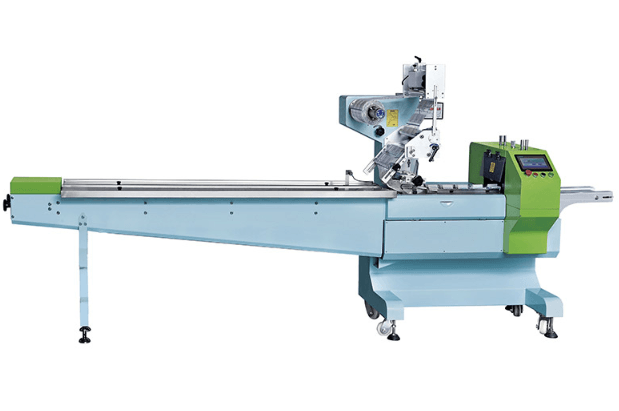
Choosing the right packaging film is an important part of creating efficient and reliable packaging solutions. Different products require different levels of protection, flexibility, and sealing performance. A horizontal form fill seal machine works with various packaging films to create sealed packages that help maintain product quality, improve shelf appearance, and support smooth production operations. Selecting the right film ensures better sealing results and reduces packaging-related issues.
Understanding Packaging Films Used in HFFS Packaging
Packaging films are flexible materials designed to protect products while allowing manufacturers to create different package formats. In horizontal form fill seal packaging, the film moves through the machine, where it is formed, filled with the product, and sealed.
The choice of film depends on several factors, including product type, storage conditions, required protection, and packaging design. A suitable film helps maintain package strength, appearance, and overall performance.
Common Types of Films Compatible with Horizontal Form Fill Seal Machines
Polyethylene (PE) Films
Polyethylene films are widely used in packaging because of their flexibility and durability. They provide good moisture resistance and are suitable for products that need simple and reliable packaging.
PE films are often selected for applications where easy handling and strong sealing performance are important.
Polypropylene (PP) Films
Polypropylene films are commonly used for food and consumer product packaging. These films offer good clarity, strength, and heat resistance.
Their appearance makes them suitable for products where presentation and visibility are important, such as snacks and retail items.
Laminated Films
Laminated films combine multiple layers of materials to improve packaging performance. Different layers can provide benefits such as better barrier protection, improved strength, and enhanced sealing properties.
These films are useful for products that require additional protection from moisture, oxygen, or external conditions.
Metallized Films
Metallized films include a thin metallic layer that helps improve barrier properties. They are often used for products that need protection from light, air, or moisture.
These films are commonly found in food packaging applications where freshness preservation is important.
Barrier Films
Barrier films are designed to provide stronger protection against environmental factors. They help reduce exposure to oxygen, moisture, and other elements that may affect product quality.
Products with longer storage requirements often benefit from these types of packaging materials.
How to Select the Right Film for Packaging
Choosing the correct film depends on more than just the packaging machine. Manufacturers should consider:
Product Requirements
Different products need different protection levels. Food items, medical products, and consumer goods may require different film characteristics.
Sealing Performance
The film should work properly with the sealing system to create strong and consistent packages.
Storage and Transportation Conditions
Products that travel long distances or require extended shelf life may need films with stronger protective properties.
Package Appearance
Clear films, printed films, and specialty materials can help improve product presentation and customer appeal.
Benefits of Using the Right Packaging Film
Using compatible packaging materials with a horizontal form fill seal machine provides several advantages:
- Better sealing quality
- Improved product protection
- Reduced packaging waste
- More consistent package appearance
- Increased production efficiency
- Better handling during transportation
The correct film selection allows manufacturers to achieve reliable packaging performance while maintaining product standards.
Applications of Different Packaging Films
Packaging films are used across many industries, including:
- Food and beverage packaging
- Healthcare products
- Personal care items
- Household products
- Consumer goods
Each application may require a different combination of flexibility, strength, and protection.
Why Film Compatibility Matters
Using a suitable film is essential for achieving smooth machine operation. When packaging material matches the machine requirements, manufacturers can reduce production interruptions and improve overall efficiency.
A well-matched packaging film allows the forming, filling, and sealing process to work effectively while maintaining package quality.
Frequently Asked Questions
Can all packaging films be used with horizontal form fill seal machines?
No. Film selection depends on machine specifications, product requirements, and sealing conditions.
See also: Top 5 Business Set Up Consultants in Dubai Trusted by US Entrepreneurs in 2025
Which films are commonly used for food packaging?
Common options include polyethylene, polypropylene, laminated, and barrier films depending on the food product.
Why is film thickness important?
Film thickness affects package strength, flexibility, and sealing performance.
Can printed films be used in packaging machines?
Yes, many packaging films can include printed designs for branding and product information.
How does film selection affect packaging quality?
The right film improves sealing, protection, appearance, and overall package reliability.
What should manufacturers check before selecting packaging film?
They should consider product type, storage conditions, machine compatibility, and required packaging performance.
Conclusion
Packaging film selection plays a major role in achieving efficient and reliable packaging results. Different films provide different benefits, from flexibility and appearance to stronger product protection.
By choosing the right material for a horizontal form fill seal machine, manufacturers can improve packaging quality, reduce waste, and maintain consistent production performance.
Meta Title: Packaging Films Compatible with Horizontal Form Fill Seal Machines
Meta Description: Learn which packaging films work with horizontal form fill seal machines and how to choose the right material for efficient packaging.