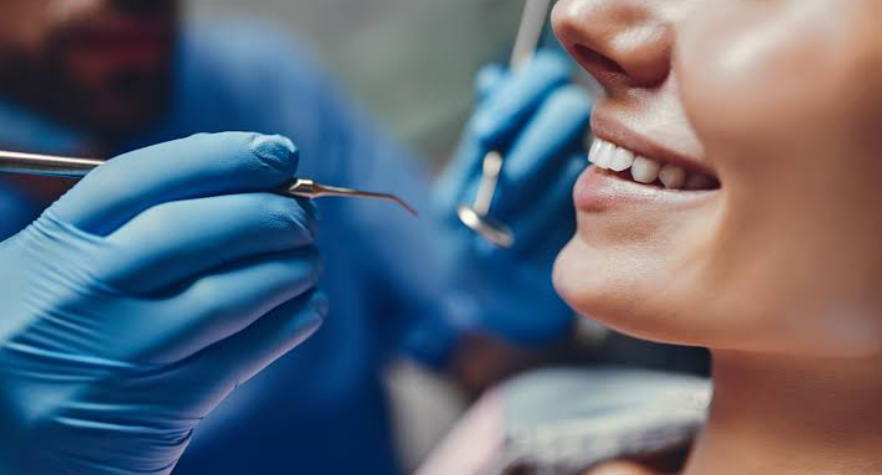
You brush, you floss when you can, and you still end up wondering if that dull ache means trouble, if that stain is harmless, or if putting off a visit will cost more later. A lot of people carry that low grade worry around their mouth every day. Whether you are looking for a downtown Toronto dentist or simply trying to understand your options, dental care can feel split in two, with the old image of cleanings and fillings on one side and new tools and screens on the other. The truth is simpler. How General Dentistry Combines Traditional Care With Modern Innovation comes down to one goal, keeping your mouth healthy with methods that are proven, practical, and easier on your life.
A good general dentist still relies on the basics because the basics work. Exams catch small problems before they turn into pain. Professional cleanings remove buildup that home care misses. Fillings, crowns, gum care, and oral cancer screenings still matter because disease has not changed just because technology has. What has changed is how early issues can be found, how clearly they can be explained, and how smoothly care can fit into your schedule.
General dentistry still starts with prevention and trust
Most people do not need a flashy fix. They need clear answers, steady preventive care, and treatment that makes sense for their budget and health. That is where modern general dental care is strongest. It does not replace traditional care. It supports it.
Take routine X rays as one example. Older dental visits often involved more waiting and less clarity. Digital imaging now gives faster images and often uses less radiation than older film based methods, which helps your dentist spot decay, bone loss, and infections with more precision. That means fewer surprises. If you have ever been told you need treatment and felt unsure why, seeing a sharper image of the problem changes the conversation.
The same is true for digital records, intraoral cameras, and updated diagnostic tools. Instead of hearing a list of terms you do not use in daily life, you can often see the cracked filling, the inflamed gumline, or the wear from grinding on a screen. That kind of explanation matters because people are more likely to follow through when they understand what is happening.
Technology helps general dentists catch problems earlier
Small problems rarely stay small when they are ignored. A spot of decay can turn into a deep cavity. Mild gum inflammation can become gum disease. A chipped tooth can crack further after one hard bite. Traditional dental care has always aimed to stop that chain reaction. Newer tools make that goal easier to reach.
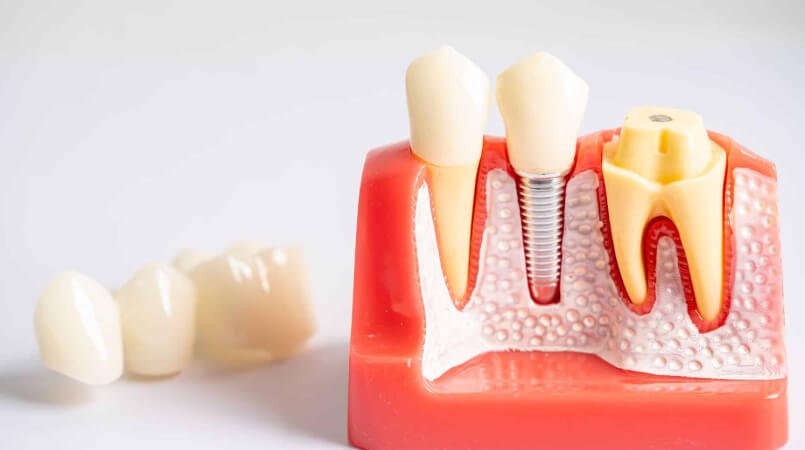
Digital scans can improve comfort and accuracy when planning crowns, night guards, or other restorations. Laser assisted tools may help with certain soft tissue procedures. Better materials can make fillings and restorations look more natural and last well under daily use. None of this changes the core job of a general dentist. It strengthens it.
Access is changing too. Telehealth is now part of oral health planning in some settings, especially for screening, follow up, education, and connecting patients with care. The U.S. Department of Health and Human Services outlines telehealth best practices for oral health providers, showing how remote support can help when an in person visit is hard to arrange. Telehealth cannot clean your teeth or fill a cavity, but it can reduce delays, answer questions, and help you decide how urgent a problem is.
Traditional dental care and modern tools work better together
People sometimes assume innovation means more expensive treatment, and sometimes it can. That concern is real. No one wants to feel pushed into upgrades they do not need. The best use of innovation is not adding bells and whistles. It is using the right tool at the right time.
If you have sensitive teeth, a careful exam and a conversation about brushing habits may matter more than any device. If you have recurring dental anxiety, digital imaging and shorter appointments may make care manageable. If you are juggling work, kids, and an aging parent, online forms, text reminders, and remote check ins can be the difference between getting care and putting it off again.
The broader picture supports this balanced approach. The National Institute of Dental and Craniofacial Research details both progress and ongoing gaps in oral health in its report on oral health in America. People are living longer, keeping more of their teeth, and benefiting from better prevention, yet untreated disease and access barriers remain common. That is exactly why general dentistry matters. It meets everyday needs while using newer systems to improve accuracy and reach.
Practical differences between traditional and modern dental approaches
| Area of Care | Traditional Approach | Modern Innovation | What It Means for You |
|---|---|---|---|
| Exams | Visual checks and manual charting | Digital records and intraoral images | Clearer explanations and easier tracking over time |
| X rays | Film based imaging | Digital imaging | Faster results and improved detail |
| Impressions | Putty molds | Digital scans | More comfort for many patients and precise fit |
| Follow up care | Phone calls and return visits only | Patient portals and telehealth support | Quicker answers and less delay in decision making |
| Prevention | Cleanings, fluoride, home brushing advice | Risk tracking, reminders, digital education tools | More personalized care that is easier to keep up with |
Daily habits still carry most of the weight. The CDC shares oral health tips for adults that stay grounded in basics, brushing with fluoride toothpaste, cleaning between teeth, limiting sugar, and keeping up with dental visits. New technology helps, but it cannot outwork neglect.
See also: Integrated Facility Services Company for Complete Business Solutions
Simple steps can help you get better dental care now
1. Pay attention to small changes. Bleeding gums, bad breath that lingers, temperature sensitivity, jaw soreness, and rough edges on a tooth are easy to dismiss. They are often the first signs that something needs attention.
2. Ask how technology is being used in your care. You do not need every new option, but you should know why an image, scan, or follow up system is being recommended. Clear reasons usually point to thoughtful care.
3. Build a routine you can keep. The best dental plan is the one that survives real life. Schedule preventive visits, use fluoride toothpaste, clean between your teeth daily, and deal with pain early instead of waiting for it to force the issue.
Family dental care works best when it feels steady, not complicated. Traditional care gives you the foundation. Modern innovation adds speed, comfort, precision, and better communication. Together, they make a general dentist more useful in the ways that count, earlier answers, fewer surprises, and a better chance of keeping your teeth healthy for the long run.
If you have been putting off care, start with one appointment and one honest conversation about what you need now and what can wait. That first step is often enough to replace uncertainty with a plan.