Losing a tooth changes more than your smile. You notice it when you eat, when you speak, and sometimes when you catch your reflection and feel that small drop in your stomach. Many people try to adapt for a while. They chew on one side, smile with their lips closed, and tell themselves it is not urgent. The problem is that tooth loss rarely stays simple. It can affect comfort, confidence, and the health of the teeth and gums around it, which is why many people explore restorative dentistry in Utica.
That is why so many people look into restorative dentistry after tooth loss. They are not chasing perfection. They want to eat without thinking about it, speak clearly, protect the rest of their mouth, and feel more like themselves again. A skilled general and restorative dentist can help you replace what was lost and lower the risk of bigger problems later.
Restorative dentistry helps patients eat and speak with less strain
A missing tooth can throw off the small movements your mouth makes all day. Biting into an apple may stop feeling natural. Crunchy foods become work. Some people avoid steak, nuts, or raw vegetables because chewing feels uneven or sore. Speech can change too, especially when front teeth are involved. Certain sounds come out differently, and that can make social situations feel more stressful than they should.
This is one of the clearest reasons patients seek tooth replacement options. Restoring a missing tooth can improve bite balance and support normal speech patterns. It also makes daily life less tiring. You should not have to think this hard about every meal.
Replacing missing teeth can help protect your oral health
When a tooth is gone, the surrounding teeth do not always stay put. They can drift into the open space, which may change your bite and create areas that are harder to clean. That increases the chance of plaque buildup, gum irritation, and decay. Bone loss in the jaw can also happen over time after tooth loss, especially if the tooth is not replaced.
Research from the National Institute of Dental and Craniofacial Research shows how closely oral health connects to overall health and quality of life. You can review that broader picture in this oral health report. A restoration is not just cosmetic. It can support the structure of your mouth and help preserve what is still healthy.
Many patients choose restorative dental care to feel confident again
Tooth loss has an emotional side that people often downplay. You may laugh less freely, avoid photos, or feel older than you are. Even if nobody comments on it, you know it is there. That awareness can sit in the background every day.
Restorative dental care gives many patients relief because it addresses that constant self-consciousness. A crown, bridge, denture, or implant based solution can restore a more complete smile and help you feel more at ease in conversations, at work, and in family photos. Confidence is not a small thing when it affects how often you speak up or how comfortably you show up in your own life.
Early treatment often prevents more costly problems later
Waiting can feel practical, especially if the missing tooth is not visible. But delay often has a price. If nearby teeth shift, treatment may become more involved. If gum disease or decay develops around the gap, the plan may need to address more than one issue. If bone loss progresses, some replacement options may require added procedures before restoration can happen.
That pattern is one reason patients decide to act sooner. Restoring one missing tooth is often simpler than correcting the chain reaction that follows. If you have ever thought, “I can live with it for now,” that feeling makes sense. It just does not always save money or stress in the long run.
Modern restorative dentistry offers more than one path forward
People often assume there is only one fix, or they worry that every option will feel invasive, expensive, or hard to maintain. In reality, treatment depends on your health, goals, budget, and the condition of your gums and jawbone. According to the National Institute on Aging, routine oral care and timely dental treatment play a major role in keeping the mouth healthy across the years. Their guidance on taking care of your teeth and mouth explains why consistent care matters so much.
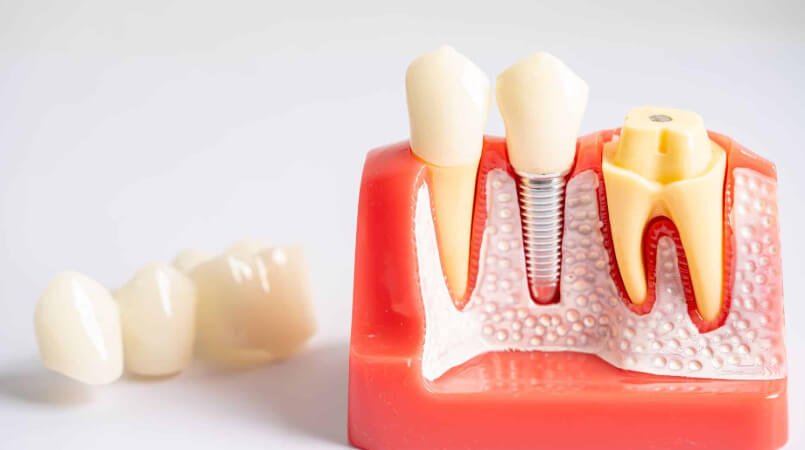
Some patients do well with a bridge. Others prefer a removable denture or want to explore implants. The point is not choosing the fanciest option. It is finding the option that fits your mouth and your life.
See also: What Happens When Your Business Electricity Contract Ends
Common restorative options after tooth loss
| Option | Best For | Main Benefit | Practical Consideration |
|---|---|---|---|
| Dental Bridge | One or a few missing teeth with support from nearby teeth | Fixed in place and restores chewing function | May require shaping adjacent teeth |
| Partial or Full Denture | Multiple missing teeth or full arch tooth loss | Usually lower upfront cost and can replace several teeth | Needs regular adjustment and daily removal for cleaning |
| Dental Implant Restoration | Patients with enough bone support and good oral health | Helps support jawbone and functions like a natural tooth root | Longer treatment timeline and higher upfront cost |
For a plain language overview of tooth loss and replacement, this NCBI resource on tooth loss gives helpful background on causes and treatment considerations.
Three steps you can take right now
1. Pay attention to the changes in your mouth. Notice whether you are chewing on one side, avoiding certain foods, biting your cheek more often, or feeling embarrassed when you speak. These details help a dentist understand how tooth loss is affecting your daily life.
2. Schedule an exam before the gap creates more problems. Even if the missing tooth does not hurt, an exam can reveal shifting teeth, gum issues, or bone changes that are easier to manage early. This is where general dentistry and restorative planning work together.
3. Ask for options in plain terms. You deserve clear answers about cost, timeline, comfort, and maintenance. Ask what will happen if you treat the tooth now, and what may happen if you wait another year. That comparison often makes the next step much clearer.
Tooth loss can make life feel smaller than it should. You may be eating less comfortably, speaking more carefully, or carrying around stress that nobody else sees. There are good reasons people choose restorative dentistry after tooth loss, and most of them come down to something simple. They want function, stability, and peace of mind. If you are ready to talk through your options, schedule a visit with a general and restorative dentist and get a plan that fits your needs.