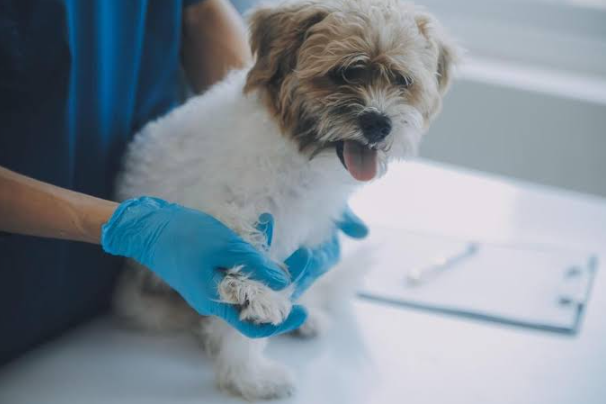
Your pet is stressed, you are juggling work or family, and the idea of loading an anxious cat into a carrier or helping an older dog into the car feels like too much before the appointment even starts. That strain is real. For many families, the hardest part of veterinary care is not the treatment. It is getting there. Annapolis mobile vet will deliver high-quality care.
That is why How Mobile Vets Use Portable Technology To Deliver High-Quality Care matters. A mobile veterinarian does not arrive with a stethoscope and guesswork. Many now bring compact tools that allow them to examine, diagnose, monitor, and treat pets right in the driveway or living room. The visit is still personal, but the medicine is far more advanced than many people expect.
Portable veterinary technology brings clinic level care closer to home
You may picture a house call as basic care only, something limited to vaccines or simple checkups. That used to be closer to the truth. Today, portable technology has changed what a mobile veterinarian can do during a home visit. Digital records travel securely on tablets. Lightweight diagnostic tools give quick answers. Battery powered equipment supports treatment without the noise and chaos of a clinic lobby.
This matters because delay often makes care harder. A pet with pain may hide symptoms until the problem has grown. An older animal with arthritis may suffer through transport. A nervous pet may show a racing heart and trembling in the clinic that makes an exam less accurate. Home based care can remove some of that distortion and give the veterinarian a clearer picture of your pet’s normal behavior.
Portable ultrasound is one strong example. Training in handheld imaging is expanding because it helps veterinarians assess internal concerns quickly and with less stress for the animal. Virginia Tech recently highlighted portable ultrasound training for veterinary teams, showing how mobile imaging supports faster bedside decisions.
Portable lab tools also make a difference. Blood glucose checks, ear cytology, skin testing, blood pressure monitoring, and some bloodwork can be done on site or prepared quickly for outside analysis. Instead of waiting days to decide what comes next, you often leave the visit with a plan that is based on real data.
See also: 3 Habits That Support Lifelong Dental Health
Mobile animal care reduces stress without lowering standards
People often worry that convenience means compromise. That fear makes sense. If your pet is sick, you do not want a watered down version of care. You want someone who can spot trouble early, explain options clearly, and act with confidence.
Portable technology helps close that gap. High quality lighting improves exams of eyes, ears, skin, and wounds. Digital otoscopes and cameras can enlarge images and help track change over time. Mobile ECG units can assess heart rhythm. Portable infusion pumps and monitoring devices support treatment during longer appointments. Some programs even bring surgical capability on the road. Michigan State University’s College of Veterinary Medicine shared its mobile surgical unit and community medicine program, a strong sign of how far portable veterinary care has come.
That does not mean every condition should be treated at home. Emergencies, advanced imaging, and major hospitalization still belong in a full hospital setting. Good mobile vets know that line. They use technology to extend care safely, not to pretend every case fits in a van.
Portable tools change what happens during a mobile vet visit
The biggest shift is speed with context. In a clinic, your pet is seen in a controlled space. At home, the veterinarian sees movement, eating habits, mobility limits, litter box setup, floor traction, and other details that often explain the problem. Technology turns those observations into practical medicine.
| Portable Technology | How Mobile Vets Use It | Benefit for Your Pet |
|---|---|---|
| Tablet based medical records | Review history, document findings, share treatment plans in real time | Fewer errors, faster decisions, clear follow up |
| Handheld ultrasound | Check bladder, abdomen, pregnancy status, fluid, or masses | Faster answers without immediate clinic transfer in some cases |
| Portable blood pressure and ECG monitors | Assess heart rhythm and blood pressure during the visit | Better monitoring for seniors and pets with chronic disease |
| Digital otoscope and exam camera | Inspect ears, eyes, teeth, and skin with magnified views | More accurate exams and easier progress tracking |
| Point of care testing tools | Run select tests for glucose, cytology, and other quick checks | Quicker diagnosis and less waiting |
This is where a house call becomes more than convenience. It becomes targeted care with less friction. For pets with fear, chronic illness, mobility issues, or end of life needs, that difference can be profound.
Smart planning helps you get more from a veterinary house call
1. Write down what has changed.
Before the visit, note appetite, water intake, bathroom habits, coughing, limping, sleep changes, and behavior shifts. Small details are easy to forget when you are worried. A mobile vet can connect those details with what portable diagnostics show.
2. Ask what equipment will be brought.
Not every provider carries the same tools on every visit. If your pet has a heart issue, skin problem, or possible urinary trouble, ask whether the veterinarian can bring monitoring equipment, imaging tools, or sample collection supplies. That helps set clear expectations and may save you a second appointment.
3. Prepare the space your pet uses most.
Clear a quiet area with good light and easy floor access. Keep medications, food, supplements, and prior records nearby. If your pet struggles on slick floors, put down a rug or towel. The less stress in the environment, the more accurate the exam tends to be.
High quality mobile veterinary care is built on judgment, not just gadgets
Technology helps, but it is not the whole story. Good care still depends on clinical judgment, honest communication, and knowing when home care is enough and when referral is the safer move. The best mobile visits feel calm because the veterinarian has both the tools and the discipline to use them well.
If your pet would benefit from care at home, a mobile veterinarian may offer the balance you need: less stress, useful diagnostics, and treatment that meets your pet where they are. Reach out to schedule a visit and ask what portable technology is available for your pet’s specific needs.