You may feel tense before a cleaning, uneasy in the waiting room, or embarrassed that it has been a while since your last visit. That reaction is common. For many people, discomfort around dental care is not just about the drill or the needle. It is the loss of control, the sounds, the worry about pain, and the fear of being judged. A more comfortable visit usually comes down to planning, clear communication, and a dental team that treats you like a person instead of a procedure, especially when working with a dentist in Wichita Falls, TX.
If you have been putting off care, that stress can build on itself. A small issue becomes a bigger one, then the thought of the appointment feels even worse. Knowing a few practical ways to ease the experience can help you get through the door and stay on track with your oral health. The good news is that many comfort strategies are simple, and they work best when used together.
Dental anxiety changes the whole appointment experience
When you are anxious, your body stays alert. Your jaw tightens, your breathing gets shallow, and even routine sensations can feel sharper than they are. That is one reason people who dread the dentist often expect every visit to hurt, even when the treatment is minor. Anxiety can also make it harder to listen, ask questions, or remember aftercare instructions.
That cycle is real, and it does not mean you are overreacting. General anxiety can affect medical and dental visits in ways that feel physical and immediate. If that sounds familiar, this overview of anxiety symptoms and support may help you put words to what is happening.
Comfort at the dentist starts before you sit in the chair. The most effective approach is usually a mix of emotional preparation, practical planning, and treatment pacing. That is where these seven strategies come in.
See also: Life After Bankruptcy: How To Rebuild Your Credit Faster
Comfort improves when you ask for control, not just pain relief
People often think the only way to make a dental visit easier is to ask for stronger numbing or sedation. Sometimes that is part of the answer. Often, what helps just as much is having more control over the process.
1. Schedule at your best time of day. If your nerves are worse when you are tired or rushed, avoid late afternoon appointments. Many people do better with morning visits because they have less time to dwell on the appointment. If childcare, work, or traffic usually adds pressure, choose a time that reduces those problems.
2. Tell the office you are anxious before you arrive. You do not need a long explanation. A short note when booking is enough. Say that you are nervous, have a strong gag reflex, need breaks, or prefer extra explanation. That gives the team time to adjust the appointment and avoid surprises.
3. Agree on a stop signal. Raising a hand sounds simple, but it changes the whole tone of the visit. You know you can pause if you need to swallow, breathe, or ask what is happening. That one bit of control often lowers tension right away.
4. Ask for step by step communication. Some patients relax when they know exactly what comes next. Others prefer less detail. Say which one you want. If your fear gets worse when you hear every instrument named, ask for shorter explanations. If uncertainty bothers you more, ask the dentist to talk you through each step.
Small sensory changes can make dentist visits easier
Discomfort is not always about pain. Sometimes it is the bright light, the sound of suction, the feeling of lying back, or the taste of materials. Those details can push an already tense person over the edge.
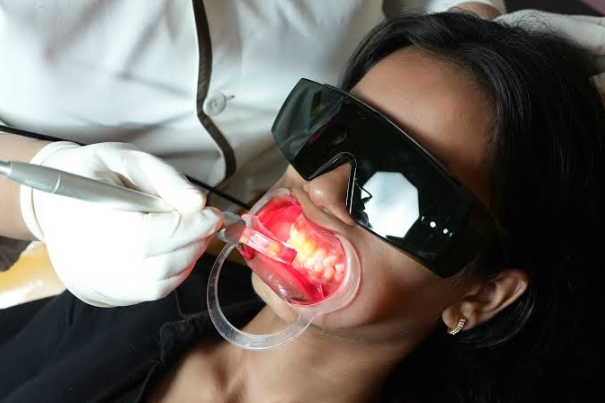
5. Use headphones or another calming distraction. Music, a podcast, or guided breathing can give your mind something steady to focus on. If noise is one of your triggers, this can help more than you expect. Eye masks or tinted glasses can also reduce sensory strain for some people.
6. Build in comfort before the appointment. Eat a light meal if your procedure allows it, wear comfortable clothes, and arrive early enough that you are not breathless and flustered. If you tend to spiral in the parking lot, sit for a minute and do slow breathing before you walk in. Those small choices lower the background stress that makes everything feel harder.
7. Talk openly about numbness, pain, and recovery. If you have had trouble getting numb in the past, say so at the start. If certain areas are sensitive, mention them. If you are afraid of pain after treatment, ask exactly what to expect and how to manage it. A good general dentist wants that information because it leads to better care.
Comfort strategies work better when they match your needs
One person needs extra explanation. Another needs less talking and more quiet. One patient is fine during the procedure but dreads the injection. Another handles treatment well and struggles with shame about neglected teeth. That is why ways to make dental visits more comfortable are not one size fits all.
Delaying care can make this more complicated. If your teeth have become more sensitive or you suspect decay or gum problems, the visit may carry more emotional weight. Basic preventive care often feels easier than emergency treatment, and staying current with checkups can reduce both physical discomfort and cost over time. This guide to dental health and preventive care gives a clear overview of why regular visits matter.
| Comfort concern | What often makes it worse | What usually helps |
|---|---|---|
| Fear of pain | Not mentioning past numbing problems | Discussing pain control before treatment starts |
| Feeling trapped | No break plan, no stop signal | Agreeing on hand signals and short pauses |
| Sensory overload | Bright lights, drilling sounds, strong tastes | Headphones, tinted glasses, brief step by step updates |
| Embarrassment about oral health | Waiting until pain forces a visit | Honest conversation and a focus on next steps, not blame |
| Stress before the appointment | Rushing from work or sitting with dread all day | Morning scheduling and arriving early |
Three steps you can take before your next dental appointment
Write down your triggers. Keep it short. Noise, needles, gagging, shame, bad past experiences, trouble getting numb. Bring the list or send it when you book. That gives the office something clear to work with.
Choose one comfort tool you will actually use. Pick music, breathing, a stop signal, or asking for slower pacing. You do not need a perfect plan. You need one thing you can rely on when your body starts to tense up.
Book the easiest visit first. If you have been avoiding care, start with an exam or consultation instead of trying to solve everything at once. A lower pressure first step can rebuild trust and make future treatment feel manageable.
Gentler dental care starts with honest communication
Making dental appointments less stressful is possible, even if you have avoided the dentist for years. You are not difficult, and you are not the only one who feels this way. The right plan can turn a visit from something you dread into something you can handle, one step at a time.
When you are ready, schedule a visit with a general dentist and say exactly what would help you feel more comfortable. That simple conversation often changes everything.