The art of live production
Live events are unforgiving environments where every cue, camera angle, and audio level must align to create an immersive moment for audiences. Expert AV teams translate a client’s vision into a tangible experience by blending technical know-how with creative sensitivity. These professionals manage complex systems under pressure, orchestrating lighting, sound, video, and communications so that attendees focus on the content rather than the mechanics behind it. When a production runs smoothly, the audience perceives it as effortless; behind the scenes, that sense of ease is the product of meticulous preparation and fluid teamwork.
Collaborative planning and pre-production
The foundation of a flawless live event is planning that anticipates both the expected and the unexpected. Early-stage conversations clarify objectives, venue constraints, program flow, and audience needs. Technical riders and stage plots are developed in collaboration with producers, designers, and venue staff to ensure equipment fits the space and the creative intent. Advance site surveys and rehearsals allow teams to test sightlines, acoustics, and signal paths. By agreeing on deliverables and contingency plans before load-in, AV teams minimize surprises and create a shared framework that guides every technical decision.
Systems integration and equipment strategy
Choosing the right mix of hardware and software is a strategic exercise. The decision to deploy particular consoles, cameras, switchers, or speaker arrays depends on the event’s scale, aesthetics, and reliability requirements. Modern productions often merge legacy gear with new IP-based workflows, demanding integration expertise to maintain low latency and consistent quality. Redundancy is built into critical paths: dual power supplies, mirrored playback servers, and backup transmission links. Expert teams design signal flows that prioritize resilience without compromising creative flexibility, so a switch from keynote slides to live camera feeds happens without a hitch.
Team roles and real-time coordination
A successful live experience relies on clearly defined roles and a culture of communication. Technical directors oversee the show clock and cue execution. Audio engineers sculpt speech intelligibility and musical balance. Video operators manage feed composition and graphics. Lighting designers shape mood and focus. Stagehands execute scene changes and manage set movement. These specialists operate from a command center where production managers maintain an overarching view and make real-time decisions. Clear talkback protocols and a calm, precise calling style prevent confusion when timing is tight and expectations are high.
Rehearsal discipline and risk mitigation
Rehearsals reveal issues that documentation alone cannot. Timing mismatches, mic feedback, or camera blind spots are caught and corrected during dry runs. Rehearsal discipline extends to run sheets and cue-to-cue practice that simulates the live environment as closely as possible. Risk mitigation also includes scenario planning for performer illness, network outages, or weather disruptions for outdoor events. Portable redundancy systems and pre-staged alternate plans allow the show to continue with minimal audience impact. A prepared AV team treats every rehearsal as an opportunity to reduce ambiguity and tighten execution.
Audience experience and creative storytelling
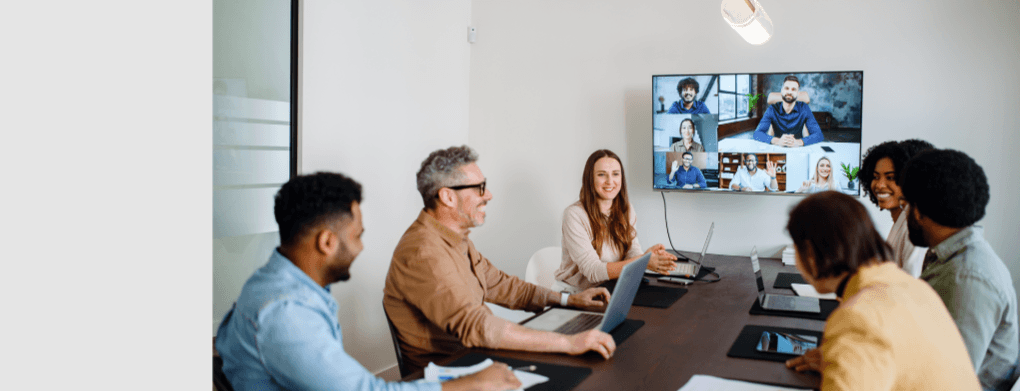
Technical excellence serves narrative clarity. Lighting choices guide attention, audio fidelity preserves nuance, and crisp visuals reinforce message. Expert AV teams work closely with creative directors to make technology an invisible companion to storytelling, rather than a spectacle in itself. For hybrid events, where in-person and remote audiences coexist, teams must balance the needs of both groups: camera framing that conveys presence to remote viewers, and sound reinforcement that remains natural for the live audience. The goal is to create a coherent sensory journey regardless of where attendees are located.
Scalability and flexible solutions
Events vary widely in size and complexity, from intimate product launches to multi-stage festivals. Scalability is a hallmark of seasoned AV teams. They adapt signal routing, crew size, and staging to fit the context without diluting quality. Modular staging, networked audio systems, and cloud-enabled media servers allow teams to adjust quickly to changing requirements. This agility keeps budgets in check while preserving production values, making it possible to deliver the same high standard of experience whether the audience numbers in the dozens or the tens of thousands.
Measurement and continuous improvement
Post-event analysis transforms subjective impressions into actionable insights. Recording feeds and logging cue timing enables technical reviews that highlight what worked and what could be improved. Client feedback and audience metrics inform future choices in equipment, staffing, and rehearsal approaches. A culture of continuous improvement helps AV teams refine processes and adopt emerging practices that enhance reliability and creativity. This feedback loop ensures that each subsequent event benefits from lessons learned.
See also: What Happens When Your Business Electricity Contract Ends
Partnering with specialists
Delivering a seamless live experience often involves external partnerships. When producers engage with dedicated service providers, they gain access to specialized technologies and seasoned crews. Working relationships built on clear communication and shared expectations are essential to aligning technical delivery with creative goals. Partnering with technical production services providers can streamline procurement, integrate complex workflows, and bring deep staging experience that improves outcomes across the entire event lifecycle.
The human element behind the tech
At its core, live production is a human endeavor. The calm voice that calls cues, the technician who troubleshoots a rogue cable, and the designer who iterates on lighting color all contribute to the final impression. Respectful, collaborative teams create environments where expertise is shared and stress is managed constructively. Investing in skilled people, ongoing training, and thoughtful leadership yields a resilient production culture that consistently delivers polished and memorable live experiences. When the lights come up and applause fills the room, it’s that combination of craft, care, and coordination that makes it feel effortless.