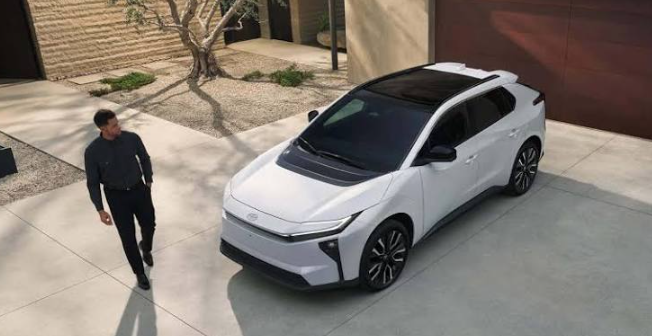
Buying your first battery-powered car can feel like stepping into unfamiliar territory. The questions are different from those you asked about a petrol car. Instead of fuel economy and engine size, you are thinking about range, charging and battery life. The good news is that the answers are usually simpler than they first appear, and most owners find the change easier than they expected.
This guide answers the questions that first-time buyers ask most often, in plain terms, so you can approach the decision with confidence rather than guesswork.
How Driving Feels Different
The first thing most new owners notice is how quiet and smooth the drive is. There is no engine vibration at idle, no gear changes, and acceleration is immediate and silent. That quietness makes city driving more relaxing, and it makes motorway cruising less tiring. It does take a little getting used to, especially the silence at low speed, but most drivers adjust within a few days.
Regenerative braking is the other change. When you lift off the accelerator, the motor slows the car and recovers some energy. In many models you can adjust how strong this effect is, from a gentle slowing that feels like a normal car to a stronger setting that lets you drive with one pedal for much of the time. Try both settings during a test drive and choose the one that feels natural to you. There is no right answer, only the setting that suits your driving style.
Range, Charging and Daily Life
Range anxiety is the worry most first-time buyers mention, but it usually fades quickly once the car is part of daily life. The key is to think about charging the way you think about charging a phone: a little, often, and mostly overnight. If you can charge at home, you will start most days with a full battery, and the range figure matters far less than it seems in the showroom.
For longer journeys, a short stop at a rapid charger is usually enough. Plan the stop around a meal or a break, and the time passes quickly. It helps to check the charging network along a route you drive regularly before you buy an electric vehicle so you know where the reliable chargers are. Most owners find that they stop less often than they feared, and that the breaks make long drives more pleasant rather than less.
Battery Life and What to Expect
The battery is the most expensive part of the car, so it is natural to worry about how long it will last. In practice, modern batteries are designed to last the life of the vehicle for most drivers, with only a gradual loss of capacity over many years. Manufacturers usually provide a long warranty on the battery, which gives useful peace of mind.
A few habits help keep the battery healthy. Avoid leaving the car at a very low charge for long periods, and avoid charging to full every single day if you only drive short distances. For daily use, keeping the charge between a low and a high middle range is a sensible approach, and saving a full charge for the days when you need the extra range. Rapid charging is convenient, but using it for every charge is harder on the battery than slower charging, so mix the two where you can.
Costs, Servicing and Practical Checks
Running costs are one of the strongest reasons to make the switch. Electricity is usually cheaper per kilometre than petrol, and servicing is often simpler, since there are fewer moving parts. There are no oil changes, exhaust systems or clutches to replace, and brake pads often last longer because regenerative braking does much of the work. Over several years, those savings can be substantial.
An online configurator is a useful way to explore the choices calmly, comparing colours, features and prices without pressure. Build the version that suits your daily life, check what each option adds to the price, and note the delivery time for the combination you like. Used well, a configurator turns a confusing range of choices into a short list you can test drive with confidence.
Frequently Asked Questions
1. How long does the battery last?
For most drivers, the battery is designed to last the life of the car, with only a gradual reduction in capacity over many years. Manufacturers typically cover the battery with a long warranty, often eight years or more. Charging habits make a difference, so keeping the charge in a middle range for daily use and avoiding long periods at very low charge will help the battery stay healthy.
2. Can I manage without a home charger?
It is possible, but it takes more planning. Public chargers, workplace charging and rapid chargers can cover daily needs, though the routine is less convenient than plugging in at home. Before deciding, check the chargers near your home and workplace, how busy they are, and whether workplace charging is available. If public charging fits your routine, many owners manage well without a home charger.
3. What should I look for on a test drive?
Drive on roads you know, including your daily route if possible. Pay attention to visibility, seat comfort, noise at speed and how the regenerative braking feels. Try parking in a tight space, and check the boot with your usual luggage. A test drive that covers your real driving is far more useful than a short loop around the dealership.
Conclusion
Your first battery-powered car is a change, but it does not have to be a difficult one. The driving experience is quieter and smoother, charging becomes a simple overnight habit, and running costs are often lower than expected. Take time to understand range, check the charging options near your home and workplace, and look at the total cost over several years. Use an online configurator to narrow down your choices, and test drive the shortlisted models on familiar roads. With that preparation, the switch feels less like a leap and more like a sensible next step.