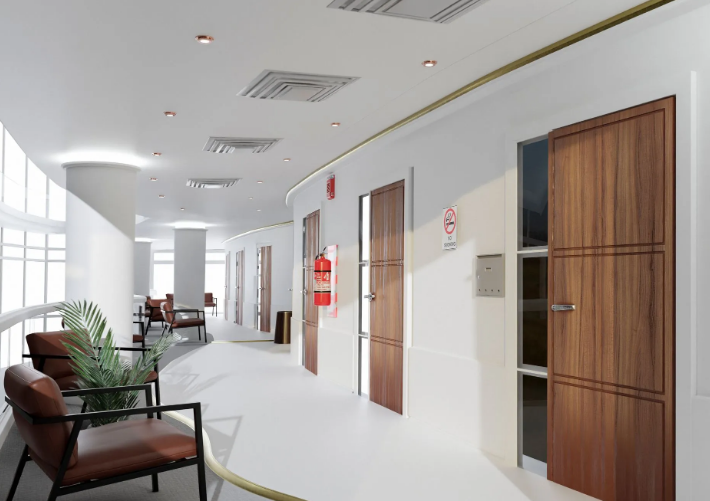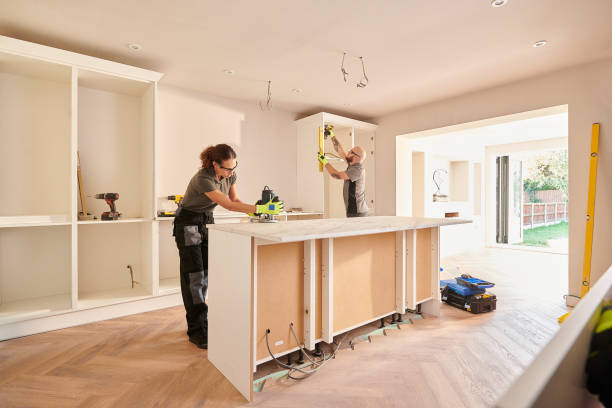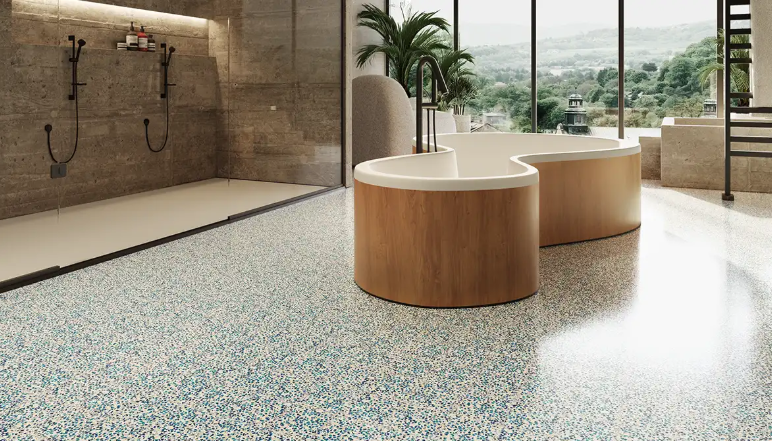
Picture a high-traffic commercial lobby where the visual impact of oversized terrazzo tiles is central to the design intent. The architect envisions seamless expanses, but before the first tile is set, technical realities of subfloor structure demand attention. Incorrect subfloor preparation can lead to cracking, lippage, or outright failure of these large, heavy tiles. For commercial interior designers, understanding the specific requirements for structural subfloor preparation ensures both the durability and aesthetic quality of the finished floor. Every phase, from inspection to moisture control and movement accommodation, must align with best practices tailored to the unique demands of large-format terrazzo installations.
Commercial Subfloor Assessment Protocols For Large Format Terrazzo
Before any installation, a comprehensive subfloor evaluation is non-negotiable. Commercial settings often feature concrete slabs or suspended floors that may have been subjected to previous finishes, patchwork, or heavy equipment loads. A detailed assessment involves checking for existing cracks, surface contaminants, and underlying structural integrity. For example, a suspended slab in a retail environment may require core sampling to confirm load-bearing capacity and verify that it meets the minimum compressive strength recommended for terrazzo applications.
Industry guidelines recommend using a straightedge to detect high spots and depressions beyond the allowable flatness deviation. This is particularly important for a Large Format Terrazzo Tile installation guide because oversized tiles have less flexibility over uneven substrates compared to smaller units. Documenting and addressing these irregularities at the outset streamlines subsequent preparation steps and reduces the risk of installation failures. Referencing concrete subfloor evaluation standards provides clear expectations for what inspection protocols should include.
Visual inspection should be paired with tests for residual adhesives or coatings that could interfere with bonding. Removing these contaminants using mechanical scarification or shot blasting creates a clean, porous surface for the next stages of preparation.
Moisture Mitigation Strategies For Commercial Terrazzo Installations
Moisture migration is a leading cause of bond failure beneath terrazzo. Commercial designers must identify and control vapor transmission before setting tiles. Calcium chloride or in-situ relative humidity tests are industry-standard methods for quantifying moisture in the slab. If readings exceed the limits prescribed by the tile or adhesive manufacturer, a topical moisture mitigation system becomes mandatory. These systems may include epoxy moisture barriers or cementitious overlays designed for high-moisture environments.
For example, in a hospital corridor retrofit where time constraints limit slab drying, a rapid-cure epoxy barrier can effectively block excess moisture and allow for timely installation. Failure to address elevated vapor emissions can result in efflorescence, adhesive breakdown, or tile debonding, risking both safety and appearance.
Moisture testing and mitigation must be documented and verified with manufacturer-approved methods, as warranty coverage for terrazzo tile often hinges on these records.
Achieving Subfloor Flatness And Deflection Tolerances
Large tile formats amplify any irregularities in the subfloor, leading to unsightly lippage or hollow spots. The target flatness tolerance for oversized terrazzo units is typically no more than 1/8 inch variation in 10 feet. Achieving this requires a combination of mechanical grinding and the use of self-leveling underlayment products. For example, a commercial office tower may specify a high-performance cement-based underlayment to bridge substrate imperfections and meet flatness criteria set out in a Large Format Terrazzo Tile installation guide.
Deflection—how much the subfloor bends under load—must also stay within strict limits to prevent tile cracking. The standard recommendation is that the substrate should not flex more than 1/360 of the span under expected load. This is especially significant in spaces with heavy foot traffic or rolling loads, such as airports or shopping malls. Reinforcing the subfloor with additional joists or structural panels can help meet these requirements.
Precision in both flatness and deflection is crucial for successful Large Format Terrazzo Tile installation. These tiles demand substrates that provide consistent support and uniform contact to maintain a flawless surface.
Advanced Bonding Agents And Movement Joint Integration
The bond strength between terrazzo and subfloor is only as good as the adhesive system selected. For oversized tiles, high-performance polymer-modified mortars are often recommended for their superior adhesion and flexibility. These formulations accommodate slight movements and reduce the risk of debonding when minor substrate shifts occur. In settings like luxury retail interiors, using a premium thin-set mortar designed for large formats ensures the tiles remain stable under dynamic loads.
Movement joints—purpose-built gaps that absorb expansion and contraction—are essential in commercial terrazzo floors. Joint placement should align with building expansion joints and be spaced according to manufacturer guidelines, often every 20 to 25 feet in large open areas. These joints prevent stress buildup that could otherwise lead to cracking. The use of compressible joint fillers and sealants specifically formulated for terrazzo applications guarantees durability and a clean transition between tile sections.
Careful integration of bonding agents and joints is a critical phase in any Large Format Terrazzo Tile installation guide, enabling the floor to withstand the demands of commercial occupancy while preserving its visual integrity.
Conclusion
Prioritize a thorough subfloor evaluation and address flatness, moisture, and movement before specifying terrazzo in commercial interiors. Insist on documented testing, proven mitigation methods, and the right adhesive systems for large tiles. These upfront measures will help ensure a durable, seamless finished floor that supports your design vision and stands up to real-world commercial use.