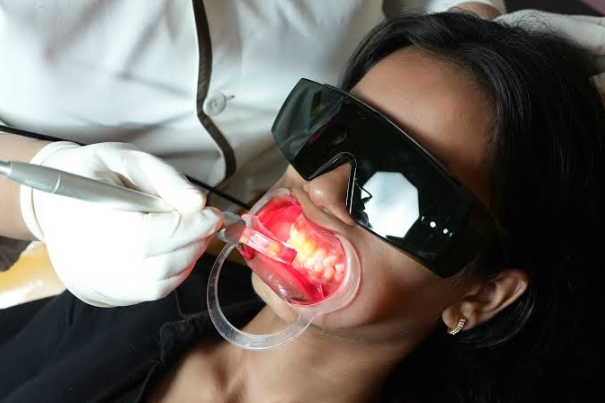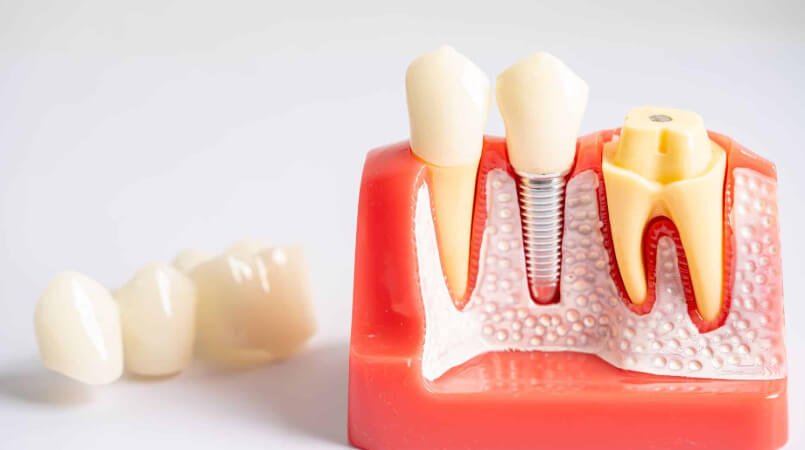
You may be juggling a child who needs help brushing, a teenager who keeps misplacing retainers, your own overdue cleaning, and an older parent who says their dentures are “fine” even when they are not. Family dental care gets messy fast because each age group has different risks, different habits, and a different level of follow through. The hard part is not knowing that dental care matters. The hard part is keeping everyone on track at the same time, which is why working with a local dentist serving Kingsport, TN can make family care easier to manage.
The good news is that coordination does not have to mean perfection. It means having a simple system, knowing what changes with age, and catching small problems before they turn into pain, missed school, missed work, or expensive treatment. A family dental care plan works best when you stop treating every appointment like a separate fire drill and start looking at the household as one moving set of needs.
Family dentist visits work better when care is organized by life stage
A toddler, a middle schooler, an adult, and an older adult do not need the same reminders or the same kind of support. Young children need hands on help. Teens need buy in. Adults often need scheduling discipline because they put themselves last. Older adults may need extra attention for dry mouth, gum disease, root decay, or denture fit. The strain usually shows up when one person’s urgent issue knocks everyone else off schedule.
You see this in real life all the time. A child develops a cavity after a season of sports drinks and rushed bedtimes. A teen starts orthodontic treatment and oral hygiene slips. An adult delays treatment because the budget is tight. An older parent takes medication that causes dry mouth, then eating becomes uncomfortable, then they avoid care because they do not want bad news. One skipped visit leads to another, and suddenly the whole household is reacting instead of planning.
That is why coordinating dental appointments for all ages needs more than a calendar reminder. It needs age specific habits built into daily life. For children, that may mean using guidance from the CDC on oral health tips for children to support brushing, fluoride use, and better snack choices. For older adults, it helps to review trusted advice on oral health for older adults, especially when medications, chronic health conditions, or dentures are part of the picture.
See also: A Homeowner’s Guide to Roofing Material Lifespan and Durability
Preventive dental care across age groups reduces stress and cost
The easiest way to coordinate care is to focus on prevention first. Preventive visits cost less than emergency treatment, and they are easier to fit into family life than last minute pain appointments. When everyone is on a routine, patterns stand out sooner. You notice the child who is brushing too quickly, the teen whose gums bleed around braces, the adult who clenches during sleep, or the older adult whose mouth stays dry.
Prevention also lowers the emotional load. Dental problems can carry shame, especially for adults and seniors who feel they should have handled it sooner. Children may get anxious if they sense tension around appointments. A calm routine changes the tone. It tells everyone that oral health is part of normal care, not a crisis that only matters when something hurts.
| Age Group | Common Dental Focus | What Often Gets Missed | Simple Coordination Tip |
|---|---|---|---|
| Young children | Brushing habits, fluoride, cavity prevention | Snacking patterns, bedtime brushing | Brush together and keep visits tied to school breaks or birthdays |
| Teens | Orthodontic care, sports mouthguards, gum health | Poor brushing around braces, sugary drinks | Set phone reminders and keep travel size supplies in backpacks |
| Adults | Cleanings, fillings, grinding, gum care | Delaying care due to work or cost | Book your visit the same day you book your child’s next one |
| Older adults | Dentures, dry mouth, root decay, gum disease | Medication side effects, changes in fit or pain | Keep a medication list ready and report mouth dryness early |
A family dentist can simplify communication and long term planning
When one dental office understands the needs of multiple generations, communication gets easier. Records stay in one place. Scheduling gets less scattered. You spend less time repeating health history, insurance details, and treatment timelines. A family dentist can also help you see patterns across the household, including diet habits, brushing gaps, and inherited risk factors that might otherwise go unnoticed.
That does not mean every person gets identical care. It means the care is connected. One office can help track recall visits, explain which issues need fast treatment and which can be phased, and help you plan around school, work, caregiving, and finances. If you need a broad, reliable reference for common concerns, MedlinePlus offers a helpful overview of dental health information that can support conversations at home.
Three steps make multi generational dental care easier right away
Build one shared schedule. Keep all dental dates in one place, whether that is a paper calendar on the fridge or a shared phone calendar. Add reminders two weeks ahead and two days ahead. If one person needs a follow up, book it before leaving the office.
Create age based routines at home. Young children need supervision. Teens need accountability that does not feel like nagging. Adults need to stop pushing their own care to the bottom of the list. Older adults may need help watching for soreness, mouth dryness, trouble chewing, or changes in dentures. Keep supplies visible and easy to reach.
Plan for costs before treatment becomes urgent. Ask for estimates, phased treatment options, and preventive priorities. If the budget is tight, start with exams, cleanings, and the issues most likely to worsen fast. Delaying everything usually costs more, both in money and in stress.
Coordinated dental care helps every age group stay healthier
You do not need a flawless routine to make this work. You need a workable one. When care is organized by age, tracked in one system, and handled before problems grow, the whole household benefits. You spend less time scrambling, and everyone gets steadier support. That is the real value of planning dental care across generations. It turns oral health from a source of stress into something manageable.
If your family has fallen out of rhythm, start with the next appointment and rebuild from there. A steady routine with a trusted family dentist can make the process feel lighter and far less chaotic.