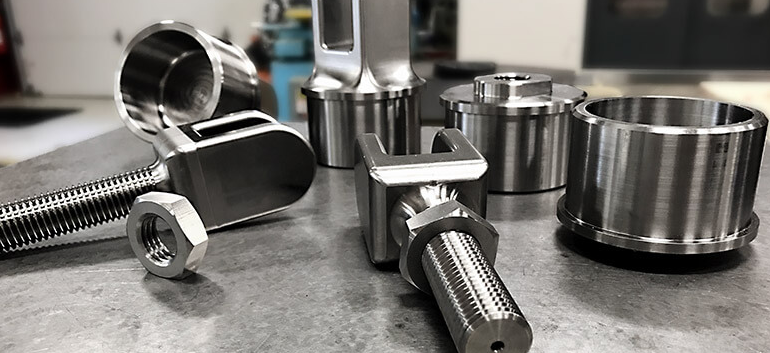
Titanium’s exceptional strength-to-weight ratio and corrosion resistance make it a valuable material across aerospace, medical, and high-performance applications, but machining it well requires genuinely specific expertise. This guide explores what makes titanium machining distinct.
Why Titanium Machines So Differently From Other Metals
Titanium’s low thermal conductivity means heat generated during cutting doesn’t dissipate away from the tool as readily as with materials like aluminum, concentrating heat at the cutting edge in ways that accelerate tool wear if not properly managed.
See also: A Homeowner’s Guide to Roofing Material Lifespan and Durability
Key Machining Considerations
Cutting Speed and Feed Rate Management
Titanium generally requires slower cutting speeds and carefully managed feed rates compared to more machinable metals, directly affecting production time and cost for titanium components.
Tooling Selection
Specialized cutting tool coatings and geometries designed specifically for titanium’s machining characteristics significantly affect tool life and achievable surface finish compared to using general-purpose tooling.
Managing Heat and Tool Wear
Effective coolant strategies and tool wear monitoring become particularly important with titanium, given how quickly heat buildup can accelerate tool degradation if not actively managed throughout the machining process.
Common Applications for Titanium Machined Parts
Aerospace structural components, medical implants, and high-performance mechanical parts frequently specify titanium given its strength-to-weight and biocompatibility properties, despite the added machining complexity and cost involved.
For a closer look at available titanium machining capabilities, titanium cnc machining offers additional technical detail worth reviewing.
Evaluating a Shop’s Genuine Titanium Experience
Given the material’s distinct machining challenges, confirming a shop’s specific, demonstrated titanium machining experience, rather than general capability claims, matters significantly for project success.
Frequently Asked Questions
Why does titanium cost more to machine than materials like aluminum or steel? Slower cutting speeds, specialized tooling requirements, and more frequent tool changes due to titanium’s machining characteristics all add to production time and cost.
Is any CNC machine capable of machining titanium effectively? While many machines can technically cut titanium, achieving good results consistently requires genuine process expertise in cutting parameters, tooling, and heat management specific to this material.
What industries most commonly require titanium machined parts? Aerospace, medical device, and high-performance mechanical applications are among the most frequent users, given titanium’s valuable strength-to-weight and biocompatibility properties.
Final Thoughts
Titanium CNC machining demands genuine material-specific expertise beyond general machining capability. Understanding these challenges helps buyers evaluate whether a potential manufacturing partner can reliably deliver quality titanium components for their project.