While general fabric cutting principles apply broadly, cutting non-woven geotextile fabric involves some specific considerations related to this particular construction type’s unique structure and how it responds differently to cutting compared to woven alternatives.
Understanding Non-Woven Construction Behavior
Non-woven geotextile fabric consists of randomly oriented fibers bonded together rather than woven in a structured pattern, meaning it generally cuts somewhat differently than woven materials, often with less tendency toward the unraveling that can occur when individual woven threads are severed.
Choosing Appropriate Cutting Tools
A sharp utility knife typically works well for cutting non-woven geotextile fabric, with blade sharpness mattering considerably for clean results, since dull blades tend to tear or snag this material’s fiber structure rather than cutting cleanly through it.
Why Fiber Density Affects Cutting Difficulty
Different non-woven products offer varying fiber density, with denser, heavier materials generally requiring more cutting force and potentially more frequent blade changes to maintain clean cuts throughout a larger project compared to lighter weight options.
Technique Considerations for This Material Type
Working with consistent, deliberate cutting strokes, rather than attempting to cut through non-woven material too quickly, generally produces cleaner results, since rushing the process with this fiber structure can lead to uneven or ragged edges more readily than with woven alternatives.
Handling Larger Rolls Efficiently
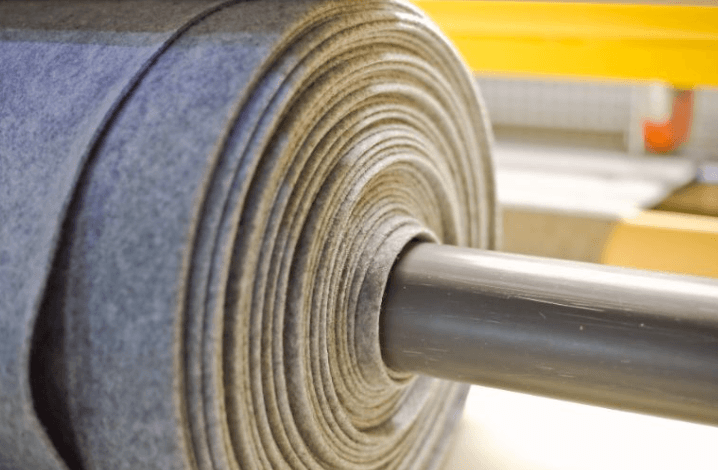
For substantial projects involving full fabric rolls, having adequate space to properly unroll and lay out material flat before cutting significantly improves accuracy compared to attempting to cut fabric while it remains partially rolled or awkwardly positioned.
Contractors and homeowners can find detailed technique guidance specific to this material through this resource on cutting non-woven geotextile fabric for various project applications.
Managing Edge Stability After Cutting
While non-woven fabric generally resists unraveling better than woven alternatives, ensuring cut edges are properly secured during installation, whether through appropriate overlap or securing methods, still helps maintain long-term edge stability throughout the material’s operational life.
Blade Maintenance for Consistent Results
Regularly replacing or sharpening cutting blades throughout a larger project helps maintain consistent cut quality, since a blade that performed well initially can gradually dull enough to produce noticeably rougher results as a project progresses.
Final Thoughts
Understanding the specific characteristics of cutting non-woven geotextile fabric, from its fiber structure through appropriate tool and technique considerations, helps ensure clean, efficient results across projects involving this particular material construction type.
See also: 15 Business Documents Every Enterprise Should Automate First
Frequently Asked Questions
Does non-woven fabric fray less than woven alternatives when cut?
Generally yes, given its randomly oriented, bonded fiber structure compared to woven material’s structured thread pattern that can more readily unravel.
How often should cutting blades be replaced during a large project?
This varies by project size and material density, but regularly checking blade sharpness and replacing as needed helps maintain consistent cut quality.
Is heavier non-woven fabric significantly harder to cut?
Somewhat yes, denser materials generally require more cutting force and potentially more frequent blade maintenance compared to lighter weight options.