You might have noticed it in the mirror one morning. A tooth looks a little longer, the gumline seems uneven, or a spot near the root looks darker or more yellow than the rest of the tooth. Then the questions start. Is this gum recession? Is it decay? Can anything fix the look without a big procedure? If that sounds familiar, you are not overreacting, and a family dentist in North Raleigh can help you understand what is happening. Small areas of root exposure can change how your smile looks and how your teeth feel, especially when cold drinks or brushing suddenly sting.
The short answer is yes, tooth colored bonding can sometimes camouflage small areas of root exposure. It can blend exposed root surfaces, reduce sensitivity, and improve the look of a tooth when the exposed area is limited and the gums are otherwise stable. Still, it is not the right answer for every case. If recession is active, if decay is present, or if the exposed root is large, another treatment may make more sense.
Why Do Small Exposed Roots Feel Like Such a Big Deal?
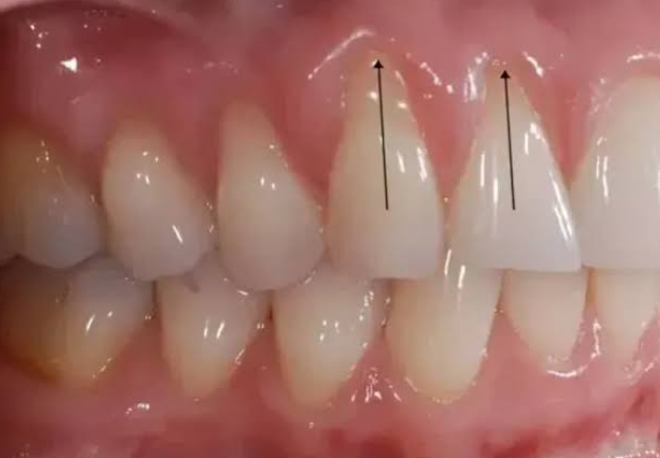
When gums pull back, even a little, the softer root surface can become visible. That part of the tooth is not covered by enamel the way the crown is, so it can look darker, wear down faster, and feel more sensitive. Because of this, a small change can feel much bigger than it looks. You may find yourself avoiding cold foods, brushing more carefully than you used to, or smiling with your lips closed in photos.
There is also the health side of it. Gum recession can be tied to brushing too hard, grinding, bite issues, or gum disease. And once the root is exposed, it may be more prone to tooth decay. So, while appearance matters, the goal is not just to cover the area. It is to understand why it happened in the first place.
Can Dental Bonding for Exposed Roots Really Blend In?
In many small cases, yes. Dental bonding for exposed roots uses a tooth colored resin that is shaped and polished to match the tooth. When done well, it can soften the contrast between the crown and the exposed root so the tooth looks more even again. It may also shield the sensitive root surface from temperature changes and brushing.
So, where does that leave you if the area is tiny but bothers you every day? Bonding often works best when the recession is mild, the tooth is healthy, and the gums are not inflamed. For example, if one canine or premolar has a narrow strip of root showing near the gumline, bonding may be a simple cosmetic and comfort based fix. On the other hand, if the recession extends far down the root, if the gum tissue is thin, or if the area keeps changing, a cover up alone may not hold up well.
There is also a practical point to keep in mind. Bonding does not move the gum back where it used to be. It covers the visible root and improves the appearance. That is a real benefit, but it is different from restoring gum tissue itself.
When Is Bonding Enough, and When Is a Gum Graft Better?
This is often the heart of the decision. If your concern is mostly cosmetic and the exposed area is small, tooth colored bonding for gum recession may be enough. If the root exposure is growing, if the tissue is very thin, or if you want to rebuild lost gum coverage, your dentist may talk with you about a gum graft instead.
A graft can treat the underlying tissue problem in a way bonding cannot. If you have started to notice a tooth looking longer over time, this helpful piece on when it may be time for a gum graft explains why that option is sometimes recommended. For some people, the right plan is not either or. It may be gum treatment first, then bonding later to refine shape or color.
What Should You Compare Before Choosing a Root Surface Treatment?
It helps to look at the choice in plain terms. A small cosmetic issue can still affect comfort, cost, and long term maintenance, so a side by side view makes the decision easier.
| Treatment Option | Best For | Main Benefits | Limits to Know |
|---|---|---|---|
| Tooth colored bonding | Small, stable areas of root exposure | Blends color, reduces sensitivity, usually done in one visit | Does not replace gum tissue, may stain or chip over time |
| Desensitizing treatment | Mild sensitivity with little cosmetic concern | Simple, lower cost, may ease discomfort | Does not change appearance much |
| Gum graft | Progressive recession, thin tissue, larger exposed roots | Can restore gum coverage, protect root surface | Healing time, higher cost, surgical procedure |
| Monitoring and prevention | Very early recession with no pain | Avoids overtreatment, focuses on cause | Does not camouflage the area now |
If you are weighing cost and simplicity, bonding often feels like the easier path. That makes sense. But ease should not be the only factor. A root service mention like bonding works best when the reason for the recession has already been identified and managed. Otherwise, you may fix the look while the problem keeps moving.
What Can You Do Right Now If You See Root Exposure?
1. Get the cause checked. If the area is new, sensitive, or changing, schedule a dental exam. Recession can come from brushing pressure, clenching, bite stress, or gum infection. You want to know which one applies to you before choosing a cosmetic fix.
2. Ask whether bonding fits your specific tooth. Not every exposed root is a good candidate. Ask if the area is small and stable enough for root coverage bonding, how long it may last, and whether the color match will stay natural at the gumline.
3. Protect the area at home. Use a soft toothbrush, lighten your brushing pressure, and consider a toothpaste made for sensitivity if your dentist agrees. These small changes can help prevent more wear on the exposed root while you decide on treatment.
See also: 15 Business Documents Every Enterprise Should Automate First
What Is the Best Next Step for a Smile That Feels a Little Off?
If a small patch of root exposure has been bothering you, you do have options, and they do not all involve major dental work. Tooth colored bonding can be a smart, conservative way to camouflage a limited area and make the tooth feel more normal again. At the same time, the best result usually comes from treating both the look and the cause.
You do not need to guess your way through it. A family and cosmetic dentist can help you sort out whether bonding, gum treatment, or simple monitoring makes the most sense for your smile and your comfort.